
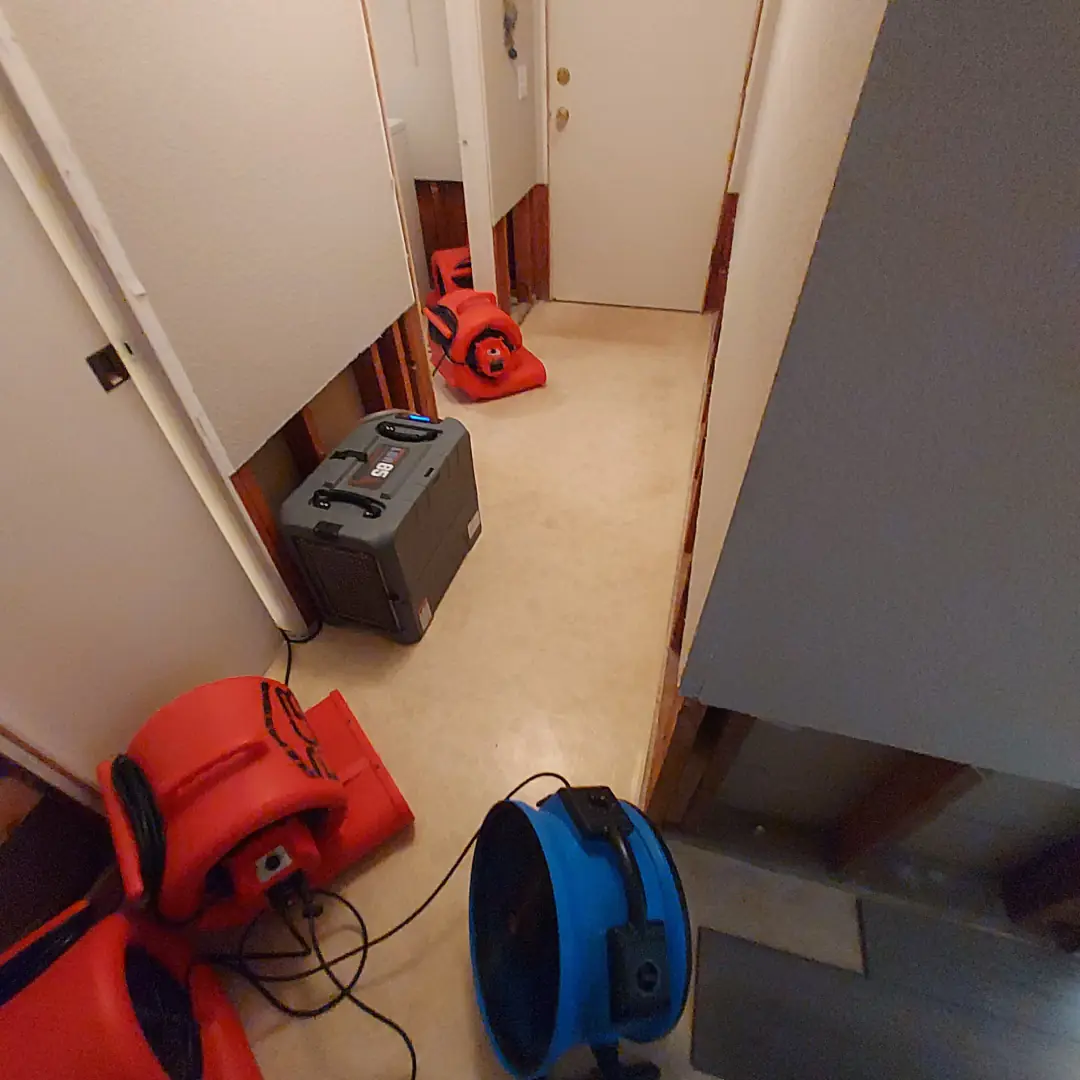
Water Damage Restoration & Emergency Dry-Outs
Fast response • Structural drying • Sewage cleanup • Insurance documentation
Water damage escalates quickly—so the goal isn't just to “remove water.” It's to stop the source, find hidden moisture, dry materials correctly, and document everything so your property can be restored with fewer surprises.
Emergency dispatch available • Direct billing
Water Damage Restoration
- Professional drying systems (not “just fans”)
- Moisture mapping + daily monitoring logs
- Claim-ready documentation from day one
- Direct coordination with your adjuster
CERTIFIED & Trusted





Why fast, professional drying matters
Water can travel under floors, behind baseboards, and into wall cavities—where it causes swelling, warping, delamination, odor, and microbial risk if it isn't dried correctly.
Public guidance emphasizes drying wet materials as quickly as possible—often within 24–48 hours when you can—to reduce mold growth risk.
Emergency Water Damage Checklist
Stop the water source
Shut off the fixture valve or main water supply.
Avoid electrical hazards
If water is near outlets, panels, or appliances, avoid the area until power is safely addressed.
If it’s sewage or heavily contaminated water: don’t DIY
Keep people and pets out and call for professional help.
Document for insurance
Take quick photos/video of the source (if visible) and affected rooms.
Move what you can safely
Lift items off wet floors (don’t drag furniture through wet/contaminated areas).
What we handle
Rapid Clean Restoration responds to small leaks through major losses, including:
Professional dry-outs aren't “just running fans”
A real dry-out is a controlled system:
Extraction
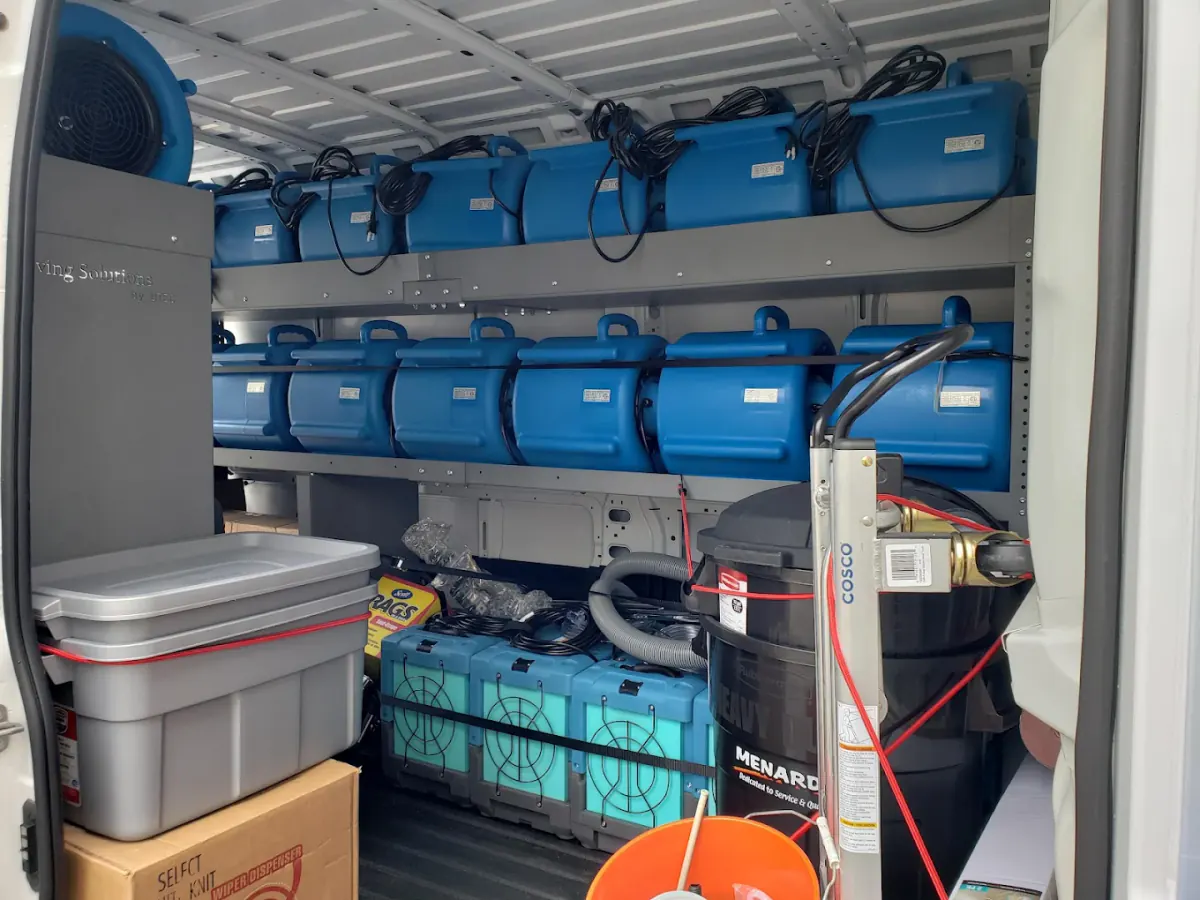
Remove bulk water from floors, carpet, and affected areas using professional truck-mounted equipment and weighted extractors that pull moisture from materials.
Moisture mapping
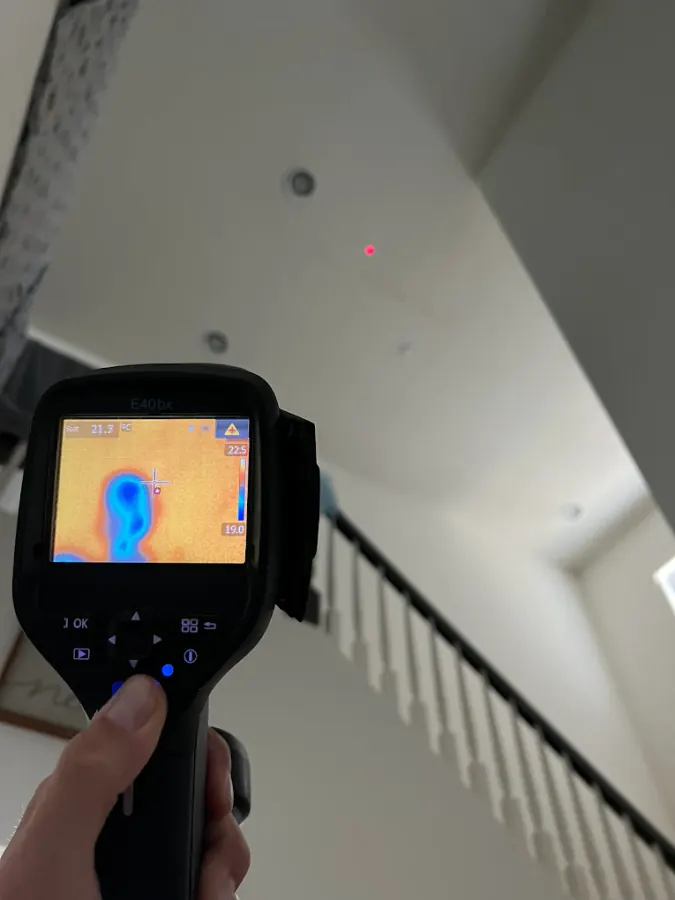
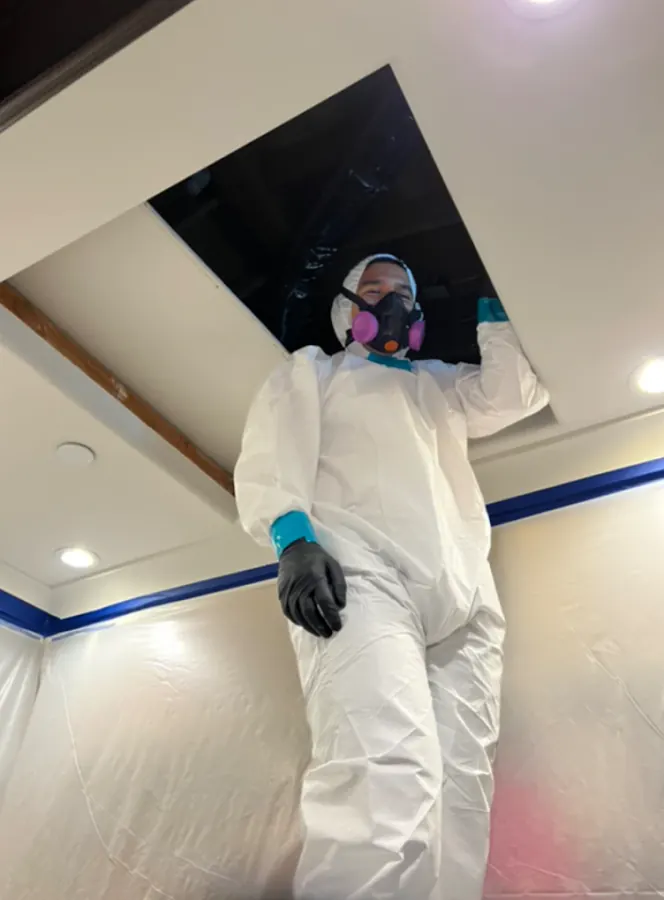
Using moisture meters and thermal imaging, we locate wet materials you can't see—inside walls, under flooring, and in hidden cavities where water migrates.
Controlled drying
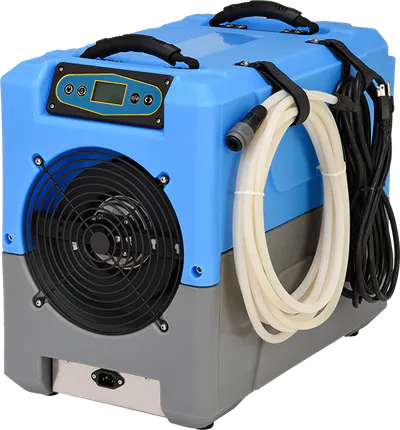
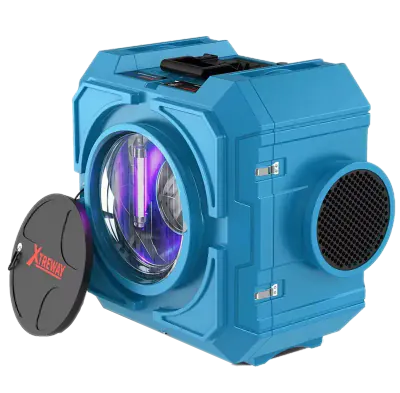
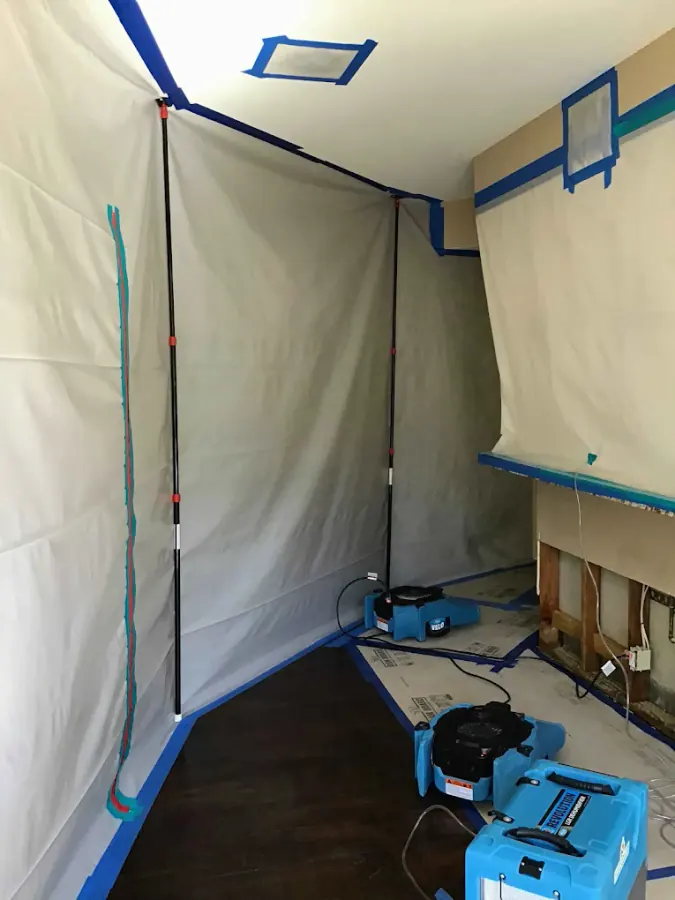
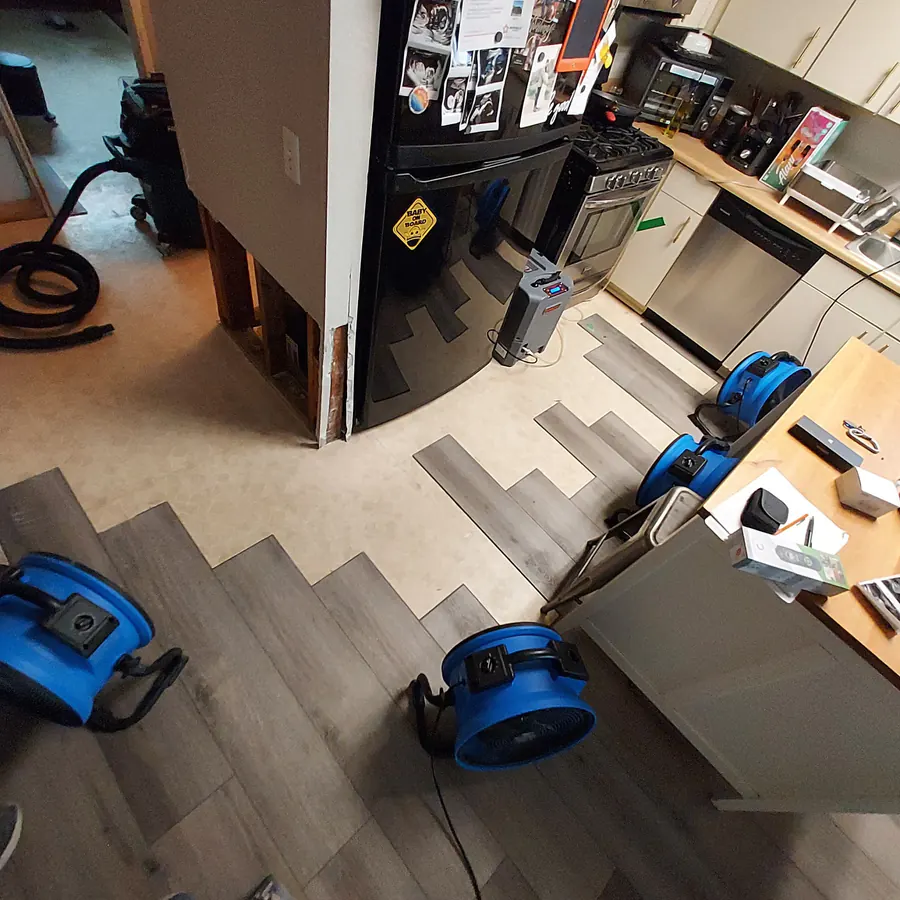
Strategic placement of commercial dehumidifiers and air movers creates a drying system sized to actual conditions—not just a few fans pointed at the floor.
Daily monitoring
Every day we take readings, track progress, and adjust equipment placement as conditions change. Drying continues until materials reach verified dry targets.
Documentation
Photos, moisture readings, equipment logs, and daily drying progress—everything your insurance adjuster needs to process the claim without delays.
Industry best practice for professional water damage restoration procedures and precautions is described in the IICRC ANSI/IICRC S500 standard. IICRC standards are ANSI-accredited best-practice guidelines used across restoration work.
Sewage cleanup is different
If the loss involves sewage or heavily contaminated water, the scope changes—materials may require controlled removal and specialized cleaning/decontamination steps. This isn't a “fan it out” situation. Contaminated water losses often lead to mold growth requiring professional remediation, especially in hidden cavities.
If you suspect sewage or Category 3 water: keep people/pets out and call immediately.
Get Emergency HelpLearn about our specialized sewage cleanup services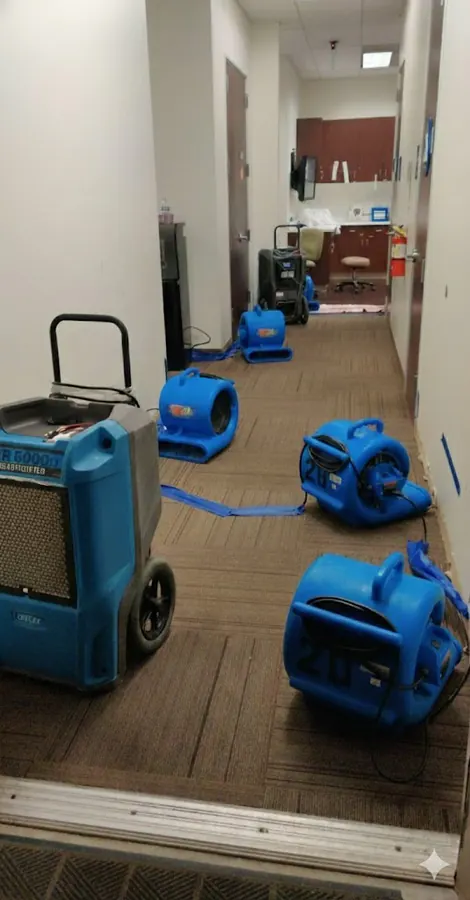
Our Water Damage Process
5 Steps
Emergency response + safety check
We identify immediate risks (electrical, slip/fall, contamination, and stability concerns as needed).
Extraction + moisture mapping
We remove bulk water and map the affected footprint so hidden wet materials don’t get missed.
Controlled drying + daily monitoring
We install a drying system, track progress daily, and adjust based on measurable conditions.
Cleanup / decontamination + documentation
Clean-water vs contaminated-water losses get different handling. Either way, the job is fully documented.
Clear next steps
If materials aren’t salvageable, you’ll get a clear plan for what needs removal and restoration.
We work directly with your insurance company
Dealing with water damage is hard enough without chasing paperwork. We keep the claim file clean from day one:
- Photos and loss documentation
- Moisture mapping and readings
- Equipment placement and runtime logs
- Daily drying logs and final verification
- Clear scope-of-work documentation
Direct billing available (coverage and carrier requirements vary). Homeowners are typically responsible for deductibles and any non-covered items.
The California Department of Insurance emphasizes taking steps after a loss to protect the property and prevent further damage, which aligns with starting safe mitigation promptly and documenting conditions clearly.
Learn more about our insurance billing processCalifornia “Right to Choose” your contractor
You don't have to feel locked into a preferred vendor. California regulations state:
- An insurer can't require that you repair with a specific person or entity.
- Insurers are restricted in when/how they may recommend a repair entity.
Practical suggestion: use an independent company that has your interests at heart
If you're using insurance, the goal shouldn't be “fastest/cheapest”—it should be proper drying, correct scope, and verifiable documentation so your property is stable and the claim reflects real conditions.
We recommend choosing an independent restoration company—a team focused on your outcome, not a bottom-line target. (This is also reinforced in consumer-friendly form by United Policyholders.)
Service areas
We serve Temecula, Murrieta, Menifee, Wildomar, Winchester, Canyon Lake, and nearby areas including French Valley, Meadowview, De Luz, Rainbow, Fallbrook.
View all service areasWhat to do when your water heater leaksFrequently Asked Questions
Do I need to wait for the adjuster before starting work?
Usually no—safe mitigation should begin promptly to prevent additional damage, while documenting everything so the claim can be reviewed clearly.
How fast should water damage be dried?
The sooner the better. Public guidance commonly references drying within 24–48 hours when possible to reduce mold growth risk. Read more in our guide: water damage and insurance in California.
Can my insurance company make me use their contractor?
California regs state insurers cannot require a specific repair individual/entity and limit when recommendations can be made.
Do you provide documentation for insurance?
Yes—photos, moisture mapping, equipment logs, daily drying logs, and drying verification are part of how we run projects.
Do you bill insurance directly?
Direct billing is available in many cases; coverage depends on your policy and carrier requirements.
Get emergency help now
If you're dealing with a leak, flood, wet floors, swollen baseboards, ceiling staining, or a sewage backup, the fastest way to reduce damage is to stop the source and start controlled drying.
Sources & Authority References
- ANSI/IICRC S500 — Professional water damage restoration procedures
- IICRC Standards overview
- CDC Mold Cleanup Guide (PDF — 24–48 hours)
- CA DOI Residential Property Claims Guide (protect property / prevent further damage)
- California 10 CCR § 2695.9 (right to choose / repair standards)
- United Policyholders "Rules & Remedies" (PDF)