
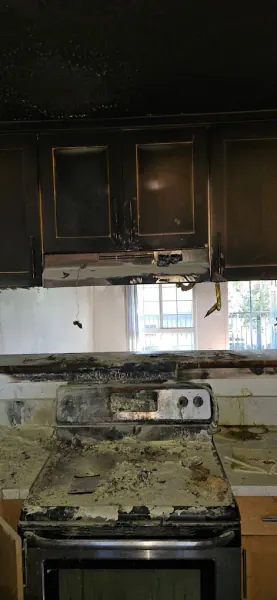
Fire Damage Restoration in Southern California
Smoke • Soot • Odor • Structural Recovery
Fire damage is rarely just “burned areas.” Smoke and soot travel through HVAC pathways, wall cavities, attics, and contents—often well beyond the room where the fire occurred. After a fire event, proper cleanup is as much about health, safety, and documentation as it is about appearance.
Emergency dispatch available
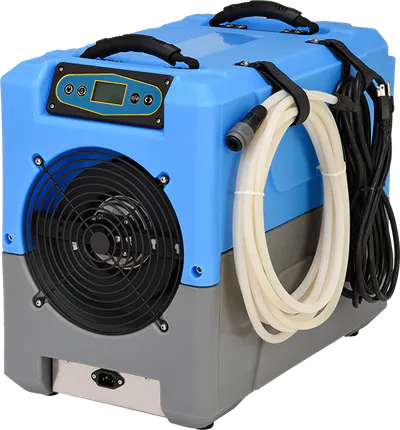
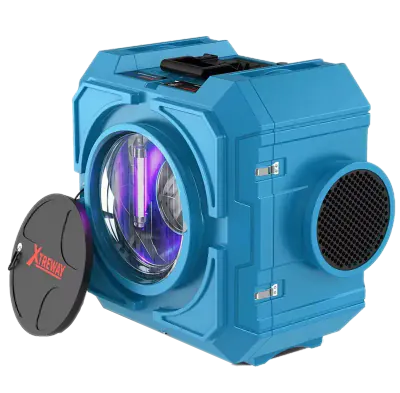
Fire Damage Restoration
- Emergency board-up & weather protection
- Smoke, soot & ash cleanup (HEPA-filtered)
- Odor control & deodorization
- Claim-ready documentation from day one
CERTIFIED & Trusted





What “fire damage” really includes
Fire losses usually involve a mix of problems that extend well beyond the burn area:
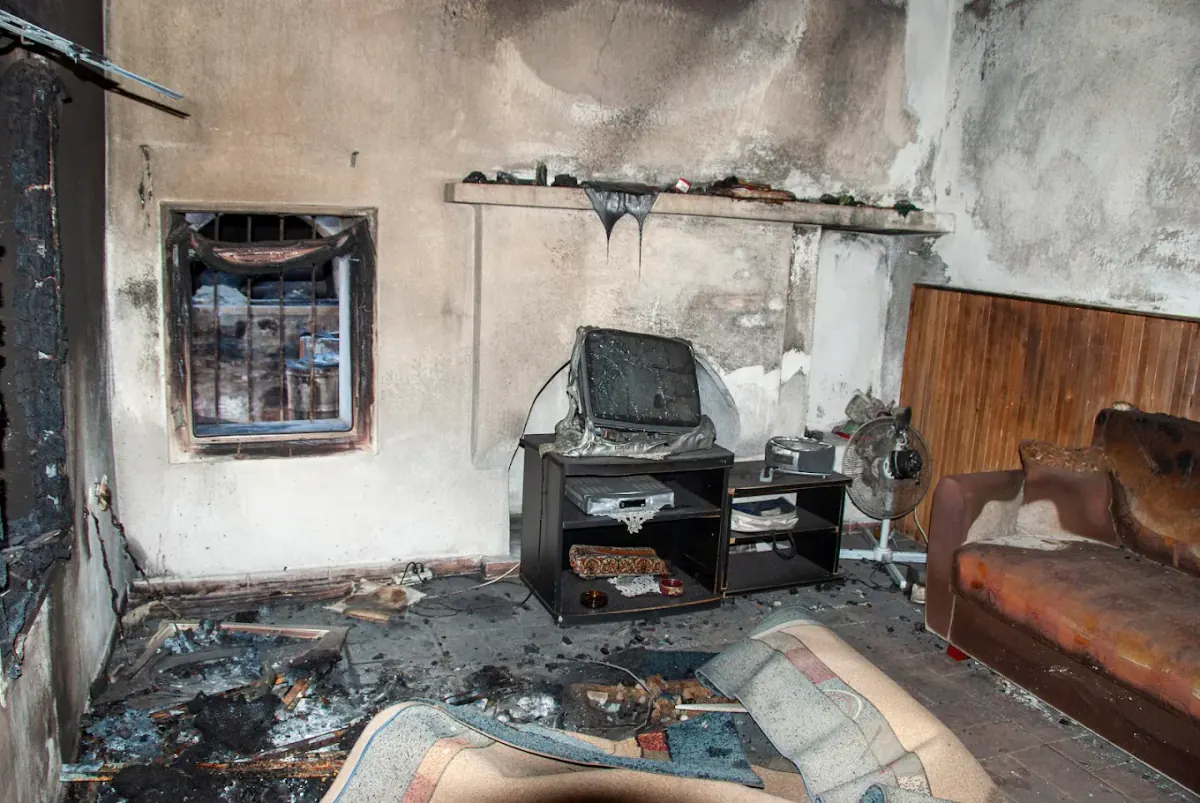
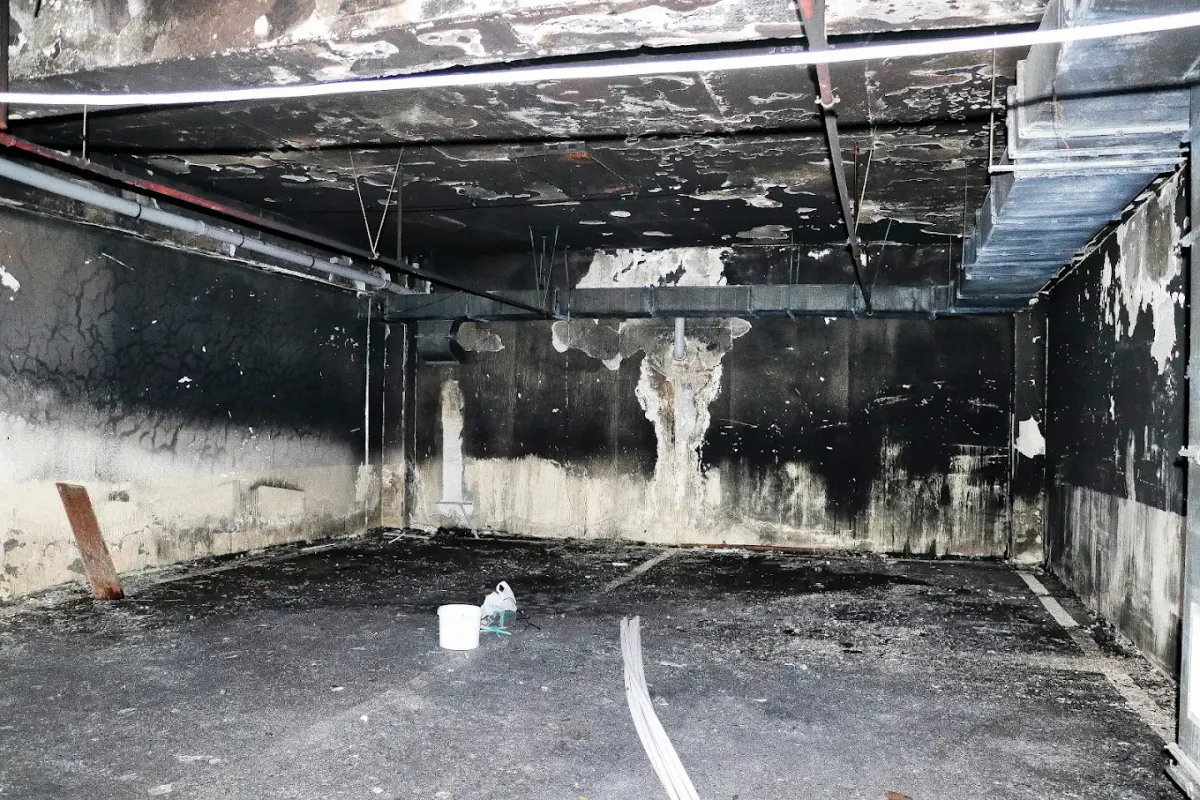
Structural damage
Burned framing, compromised drywall, charring, electrical concerns
Smoke & soot residues
Deposits on ceilings, walls, insulation, contents, and in HVAC systems
Water damage from suppression
Soaked materials, trapped moisture in cavities from firefighting efforts
Embedded odor
Smoke odor in porous materials: insulation, upholstery, unfinished wood
Wildfire smoke/ash infiltration
Fine particles settle inside even without visible flames reaching the home
Fire suppression often creates secondary water damage, and materials can be torn open (holes cut in walls/roof) to confirm the fire is fully out. Wildfire smoke and ash can affect indoor air even if your home wasn't burned—agencies recommend reducing indoor exposure and cleaning ash/soot carefully. Prolonged moisture from fire suppression can also lead to mold problems that require remediation.
Emergency fire damage services
Emergency board-up & temporary weather protection
Firefighters may break windows, open ceilings, or cut access points to stop hidden fire spread—this often leaves the building exposed and vulnerable to weather and theft. We secure openings, protect the structure, and help stabilize the site so restoration can move forward safely.
Safety-first site assessment
Before deep cleaning starts, we evaluate practical hazards:
- Unstable materials and loose debris
- Electrical concerns
- Soot migration patterns
- Water-impacted areas that can develop secondary problems
Smoke & soot cleanup
Why “one method” doesn't work for every fire
Smoke residues behave differently depending on the temperature, fuel source, and materials that burned. The cleaning approach must match the residue—otherwise staining and odor can persist.
Dry smoke soot
Light, powdery residue that spreads easily
Wet smoke residues
Sticky, smeary deposits that cling to surfaces
Protein residues
From kitchen/food fires—often invisible but strongly odorous
Our fire damage cleaning approach
Containment + air control
Isolate affected zones and use proper filtration to reduce cross-contamination while cleaning.
HEPA vacuuming and controlled surface cleaning
Agencies emphasize HEPA filtration and avoiding practices that resuspend particles. South Coast AQMD advises HEPA-filter vacuums indoors and lightly misting ash before cleanup.
Detailed cleaning of surfaces and contents
Walls, ceilings, hard contents, cabinets, countertops, appliances, and HVAC registers/returns where residue patterns indicate spread.
Odor control
Smoke odor is often the last thing to leave. We use professional deodorization strategies appropriate to the materials and severity of contamination.
California DIR guidance for fire cleanup states vacuums used for ash/soot cleanup should be HEPA-filtered, and that dry sweeping and powered blowers are not allowed at fire cleanup/removal/demolition sites.
Learn about our dedicated smoke & soot cleanup services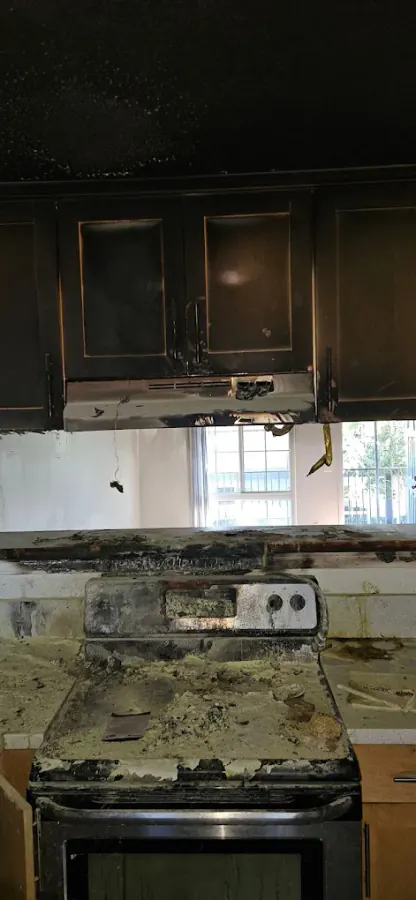
Water damage after fire
The “second loss” most people don't plan for
Fire suppression often leaves materials wet, opened, and vulnerable, and water can penetrate into wall cavities and insulation. We can coordinate drying strategies and moisture control as part of fire restoration planning, so the property doesn't trade smoke damage for ongoing moisture-related problems.
Learn about our water damage restoration servicesWildfire smoke & ash residue cleanup
When the home wasn't burned—but the indoor environment changed
Wildfire smoke can significantly degrade indoor air quality. EPA provides guidance for reducing indoor exposure during wildfire smoke events. South Coast AQMD also publishes health and cleanup tips for smoke/ash, including HEPA vacuuming and careful ash handling.
If you have:
- Fine gray/black residue on horizontal surfaces
- Persistent smoke odor indoors
- HVAC runtime that seems to worsen symptoms or odor
…we can assess whether professional smoke/soot cleaning and filtration steps are appropriate. If smoke has entered the HVAC system, our professional duct cleaning services can help remove residue from supply lines, trunks, and registers.
If you're cleaning yourself, CDC emphasizes respiratory protection like a properly worn NIOSH-approved respirator (N95/P100) when dealing with smoke/ash exposure.
Documentation and coordination
Owners, property managers, and insurance claims
We help by providing clear, job-ready documentation:
- Photo documentation of conditions and residue migration
- Scope notes tied to observed impact
- A restoration plan that can be aligned with adjusters, property management, and contractors
LA County public health guidance highlights practical considerations when selecting professional smoke/soot restoration services—useful for property managers and owners who need defensible vendor decisions. For more on how we coordinate with insurance carriers, see our insurance billing page.
Service areas
We serve Temecula, Murrieta, Menifee, Wildomar, Winchester, Canyon Lake, and nearby areas including French Valley, Meadowview, De Luz, Rainbow, Fallbrook.
View all service areasFrequently Asked Questions
How far can smoke travel?
Often much farther than expected—through open doorways, attic access points, ducting pathways, and pressure differentials. Even when flames were confined, smoke residues can deposit broadly.
Is soot dangerous?
Soot and ash are fine particulates. Agencies recommend minimizing exposure and using proper filtration and PPE when cleaning.
Can I use a regular vacuum or dry sweep soot?
Guidance emphasizes HEPA filtration and avoiding dry sweeping/blowers that resuspend particles.
What if my home wasn’t burned but smells smoky?
That’s common after wildfire smoke events. EPA and local agencies provide indoor air quality guidance; professional cleaning may be appropriate if residue and odor are persistent or widespread.
Dealing with fire or smoke damage?
Whether it's a structure fire, kitchen fire, or wildfire smoke infiltration—the sooner cleanup begins with the right methods, the better the outcome for the building and everyone in it.
Call 24/7: 877-55-FLOODAuthority links
- EPA — Wildfires & Indoor Air Quality
- South Coast AQMD — Wildfire Smoke & Ash Health/Safety Tips
- CDC — How to Safely Stay Safe During a Wildfire
- CDC — How to Safely Stay Safe After a Wildfire
- Cal/OSHA (DIR) — Respiratory Protection for Fire Cleanup
- FEMA — After the Fire: Salvaging Damaged Possessions (PDF)
- USFA/FEMA — After the Fire (PDF)
- LA County Public Health — Returning After a Fire