
Wildfire
Assistance
Smoke • Ash • Indoor Air Quality Recovery
Wildfire smoke can significantly degrade your indoor air quality even if flames never reached your property. Fine ash and smoke particles infiltrate through HVAC systems, gaps, and openings — settling on surfaces and embedding in porous materials throughout your home.
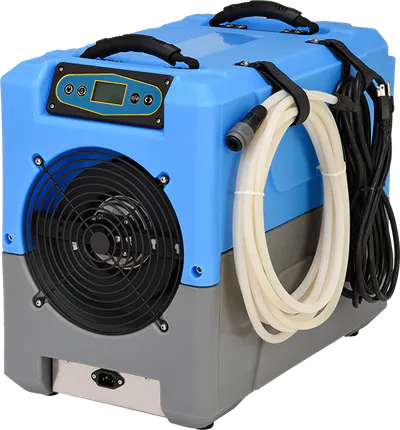
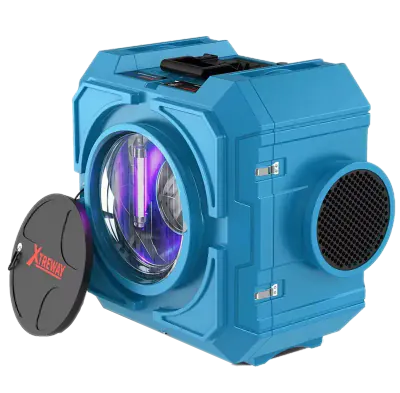
Wildfire Smoke & Ash Cleanup
✓Indoor air quality assessment and particulate testing
✓HEPA-filtered surface cleaning and ash removal
✓HVAC system inspection, cleaning, and filter replacement
✓Professional deodorization for embedded smoke odor
CERTIFIED & Trusted





When Your Home Wasn't Burned — But Indoor Air Quality Changed
Most homeowners who need wildfire restoration assistance didn't experience direct fire damage. Instead, their homes were affected by smoke infiltration — sometimes from fires dozens of miles away. The Santa Ana winds that are common in Southern California can carry smoke across entire counties.
Signs of indoor smoke infiltration include: lingering smoky odor even after outdoor air clears, visible ash or fine gray residue on horizontal surfaces, discolored HVAC filters, respiratory irritation or persistent coughing indoors, and hazy appearance to indoor air.
These particles don't simply disappear when outdoor conditions improve. Fine particulates embed in carpet fibers, upholstery, drapes, bedding, and porous building materials where they continue degrading indoor air quality until professionally removed.
California Wildfire Season: What Homeowners Should Know
Southern California's wildfire risk extends year-round, with peak danger during late summer through fall when Santa Ana winds create hot, dry conditions. Riverside County is particularly affected due to its proximity to wildland-urban interface areas and the wind corridors that funnel through local mountain passes.
Fires burning in Los Angeles County, San Diego County, or the San Bernardino Mountains can produce smoke that affects communities in Murrieta, Temecula, Menifee, and the surrounding Inland Empire — even when no local fires are burning.
The South Coast AQMD regularly issues air quality advisories during wildfire events. When particulate levels exceed healthy limits, the EPA recommends creating a “clean room” — a sealed room with portable HEPA filtration — and avoiding running HVAC systems without MERV-13+ filters.
Safe Ash Handling — AQMD Guidance
- ×Do NOT use brooms, leaf blowers, or compressed air — this re-aerosolizes dangerous particles
- ×Do NOT dry-sweep ash from any surface
- ✓DO lightly mist ash with water before any handling
- ✓DO use HEPA-filtered vacuums for all particulate cleanup
- ✓DO wear N95/P100 respiratory protection during cleanup
Protect Your HVAC System
Your HVAC system is the primary pathway for wildfire smoke to enter and circulate throughout your home. During smoke events, the EPA recommends closing outdoor air dampers and upgrading to MERV-13 or higher filters. After the event, your filters will almost certainly need replacement.
If your HVAC ran during a significant smoke event, soot and ash particles are likely deposited inside your ductwork, on the evaporator coil, and in the blower assembly. Running the system after the event circulates these particles back into your living space with every cycle.
Learn about our professional duct cleaning servicesWildfire Assistance FAQ
My home smells like smoke but wasn’t near a fire. What should I do?
This is common during wildfire events in Southern California. Smoke can travel hundreds of miles and infiltrate homes through HVAC systems, gaps, and ventilation. If the smell persists after the smoke event clears outdoors, fine particles have likely settled on interior surfaces and embedded in soft materials. Professional cleaning may be needed to restore indoor air quality.
Is wildfire ash dangerous?
Yes. Wildfire ash contains fine particulate matter, potentially toxic metals, and combustion byproducts. The South Coast AQMD recommends avoiding skin contact, using HEPA-filtered vacuums (not brooms or blowers), and lightly misting ash before cleanup to prevent re-aerosolizing particles. The CDC advises respiratory protection (N95 or P100) during ash handling.
Should I run my HVAC during a smoke event?
Only with appropriate filtration. The EPA recommends upgrading to MERV-13 or higher filters during wildfire smoke events and closing outdoor air dampers to minimize smoke infiltration. After the event, your HVAC filter will likely need replacement and ductwork should be inspected for soot deposits. Learn about our duct cleaning services.
Is wildfire smoke damage covered by insurance?
Coverage varies by policy. Smoke damage from a covered wildfire event is generally included under standard homeowner policies. However, smoke infiltration without direct fire involvement (e.g., smoke from a distant wildfire) may be handled differently depending on your insurer and policy language. Document the damage thoroughly and contact your adjuster promptly.
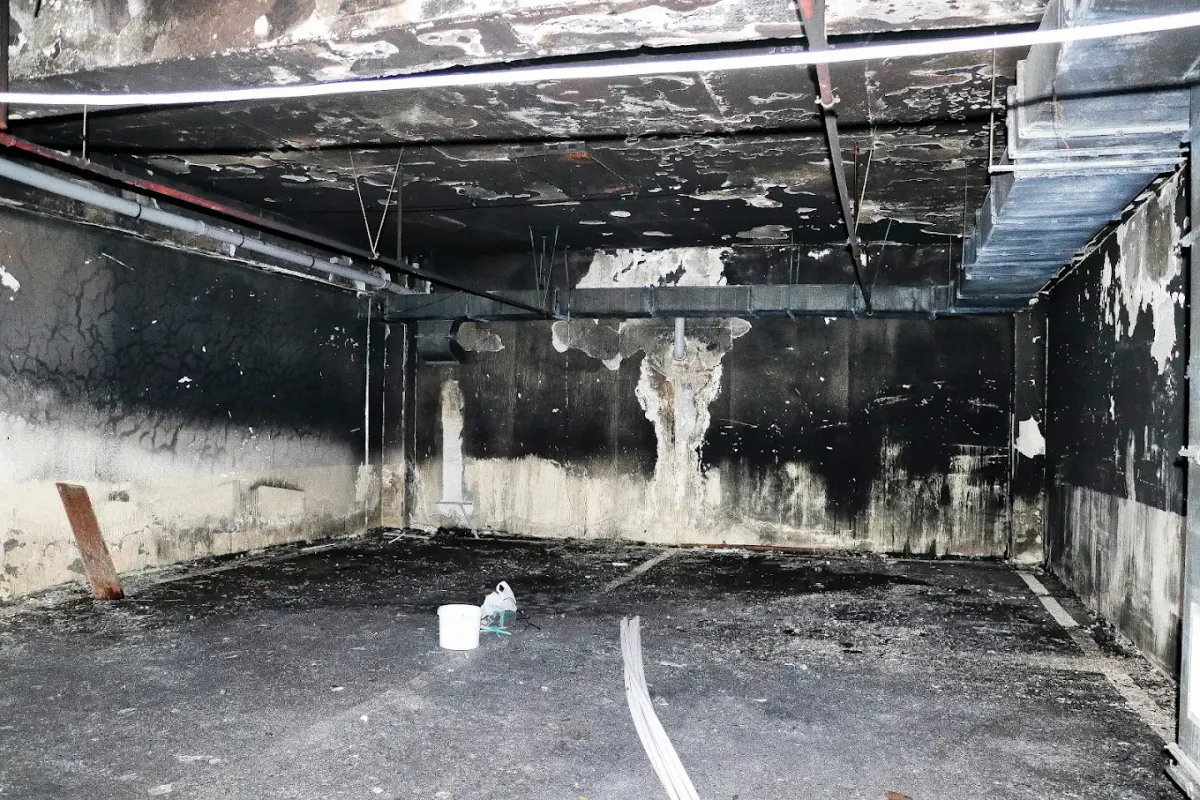
Your Home Wasn't Burned — But the Air Changed
Smoke Infiltration Without Direct Fire Damage
During wildfire events, smoke particles infiltrate homes through HVAC intake vents, window and door gaps, bathroom exhaust fans, and any opening to the outside. Indoor surfaces act as a sink for these particles — meaning your home continues exposing you to wildfire contaminants even after outdoor air quality improves.
Our Wildfire Cleanup
Process
EPA & AQMD Guided Protocol
Indoor Air Quality Assessment
We assess particulate levels, test surfaces for ash residue, and inspect HVAC systems to determine the scope of smoke infiltration throughout your home.
Ash & Particulate Containment
Following AQMD guidance, ash is lightly misted before handling to prevent re-aerosolization. Affected areas are contained to prevent spreading during cleanup.
HEPA Surface Cleaning
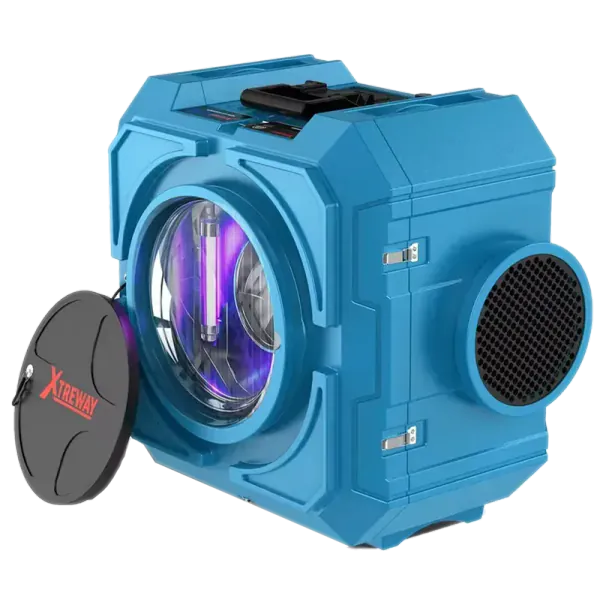
All surfaces are cleaned with HEPA-filtered equipment. Porous materials (upholstery, carpet, drapes) receive specialized treatment or removal based on contamination level.
HVAC System Cleaning
Filters are replaced, registers and returns are cleaned, and ductwork is inspected. Professional duct cleaning is performed if soot deposits are found in the system.
Odor Control & Deodorization
Embedded smoke odor is addressed through professional deodorization — thermal fogging, hydroxyl generators, or HEPA air scrubbing depending on severity and material types.
Post-Cleanup Verification
Air quality is re-assessed after cleanup to verify particulate levels have returned to acceptable ranges. Documentation is provided for insurance if applicable.
Indoor vs. Outdoor Pollution During Smoke Events
Wildfire Smoke Particle Size
Southern California Fire Season
Homes Affected by Distant Smoke Events
The EPA estimates that indoor air can be 2 to 5 times more polluted than outdoor air — and during wildfire smoke events, that gap can widen dramatically. Even homeowners miles from the nearest fire can experience significant indoor air quality degradation.
Rapid Clean Restoration follows EPA and South Coast AQMD guidelines for wildfire ash handling and indoor air quality restoration — ensuring safe, thorough cleanup of your home after smoke events.
Sources: EPA Wildfires and Indoor Air Quality; South Coast AQMD Wildfire Smoke and Ash Health Tips; CDC Wildfire Smoke Guidance; Cal/OSHA Worker Protection Standards.
Indoor vs. Outdoor Pollution During Smoke Events
Wildfire Smoke Particle Size
Southern California Fire Season
Homes Affected by Distant Smoke Events
Sources: EPA Wildfires and Indoor Air Quality; South Coast AQMD Wildfire Smoke and Ash Health Tips; CDC Wildfire Smoke Guidance; Cal/OSHA Worker Protection Standards.
The EPA estimates that indoor air can be 2 to 5 times more polluted than outdoor air — and during wildfire smoke events, that gap can widen dramatically. Even homeowners miles from the nearest fire can experience significant indoor air quality degradation.
Rapid Clean Restoration follows EPA and South Coast AQMD guidelines for wildfire ash handling and indoor air quality restoration — ensuring safe, thorough cleanup of your home after smoke events.
Related Services
Wildfire damage may require additional restoration services. Explore what’s available below.
Fire Damage Restoration
Complete fire damage cleanup for properties directly affected by wildfire, including structural repair and content restoration.
Smoke & Soot Cleanup
Detailed smoke residue removal using residue-specific cleaning methods matched to the type of soot and surface material.
Air Duct Cleaning
Wildfire smoke infiltrates HVAC ductwork. Professional cleaning prevents ongoing recirculation of soot and ash particles.