
Mold Inspection
& Testing
Certified Inspectors — Lab-Verified Results
Not every mold concern needs remediation, and not every remediation needs testing first. We help you understand what's actually happening with your indoor environment so you can make informed decisions about next steps.
Professional Mold Inspection & Testing
✓Comprehensive visual assessment with moisture mapping
✓Infrared/thermal imaging for hidden moisture detection
✓Lab-certified air and surface sampling with outdoor baseline
✓Written report with findings, lab results, and recommendations
CERTIFIED & Trusted





Inspection vs. Testing: What's the Difference?
Mold Inspection
A visual and instrument-based assessment that identifies moisture sources, visible mold growth, water damage patterns, and conditions that support mold colonization. Includes infrared imaging and moisture measurement.
Best for: Understanding the current condition of your home, finding hidden moisture, and determining whether lab testing or remediation is needed.
Mold Testing
Laboratory analysis of air and/or surface samples that quantifies mold spore concentrations and identifies species. Indoor samples are compared against an outdoor baseline to determine if elevated levels exist.
Best for: Real estate transactions, landlord-tenant disputes, post-remediation clearance, insurance documentation, and situations where visible growth is absent but symptoms suggest contamination.
NIOSH guidance: A thorough visual assessment combined with identifying dampness and moisture sources can be more useful than air sampling alone for deciding whether remediation is needed. We recommend testing when documentation is required or when the situation is ambiguous.
When You Need Testing — and When You Don't
✓Testing Is Valuable When
- •Real estate transactions (buyer/seller documentation)
- •Landlord-tenant disputes requiring objective evidence
- •Post-remediation clearance verification
- •Insurance claims requiring lab documentation
- •Health symptoms with no visible mold source
- •Confirming success of remediation work
→Testing May Not Be Needed When
- •Visible mold growth is confirmed and moisture source is identified — proceed directly to remediation
- •Recent water damage with active drying — focus on eliminating moisture first
- •Small surface mold (<10 sq ft) with clear cause — clean, fix the moisture source, and monitor
We'll tell you honestly if testing isn't warranted for your situation. Our goal is accurate information, not unnecessary services.
California Mold Disclosure Requirements
Under California Civil Code, property sellers are required to disclose known material facts that could affect the value or desirability of a property — including known mold issues or conditions that could lead to mold growth (ongoing leaks, previous flooding).
Property managers and landlords have additional obligations under California's implied warranty of habitability. Mold conditions that affect tenant health can constitute a habitability issue requiring prompt remediation. Professional inspection provides the documentation needed for compliance.
Mold Inspection & Testing FAQ
How much does mold testing cost?
Cost varies by scope. A standard assessment with 2–3 air samples (indoor plus outdoor baseline) and lab analysis is the most common service. We provide transparent pricing upfront before any work begins. Testing costs are separate from remediation — and testing isn’t always necessary.
Can I use a home mold test kit instead?
Consumer mold test kits are available but have significant limitations. Most are settle-plate or cassette-style samplers without outdoor baseline comparison, making results difficult to interpret. Lab-certified air sampling with professional-grade equipment and an outdoor control sample provides more reliable data for decision-making.
How long do lab results take?
Standard analysis from an accredited third-party laboratory typically returns in 2–3 business days. Rush turnaround is available for time-sensitive situations like real estate transactions or post-remediation clearance.
Do I need testing before mold remediation?
Not always. NIOSH notes that a thorough visual assessment combined with identifying dampness can often be more useful than air sampling alone for deciding whether remediation is needed. If visible mold growth is confirmed and the moisture source is identified, remediation can proceed directly. Testing is most valuable for documentation, post-remediation clearance, real estate transactions, and landlord-tenant disputes. Learn more about our mold remediation services.
What does a mold inspection include?
A professional mold inspection includes visual assessment of all accessible areas, moisture mapping with infrared/thermal imaging to identify hidden moisture sources, identification of water intrusion points, air and/or surface sampling when warranted, and a written report with findings, lab results, and recommendations for next steps.
Authority Sources & Public Guidance
Don't Guess. Know.
Professional Assessment vs. Guesswork
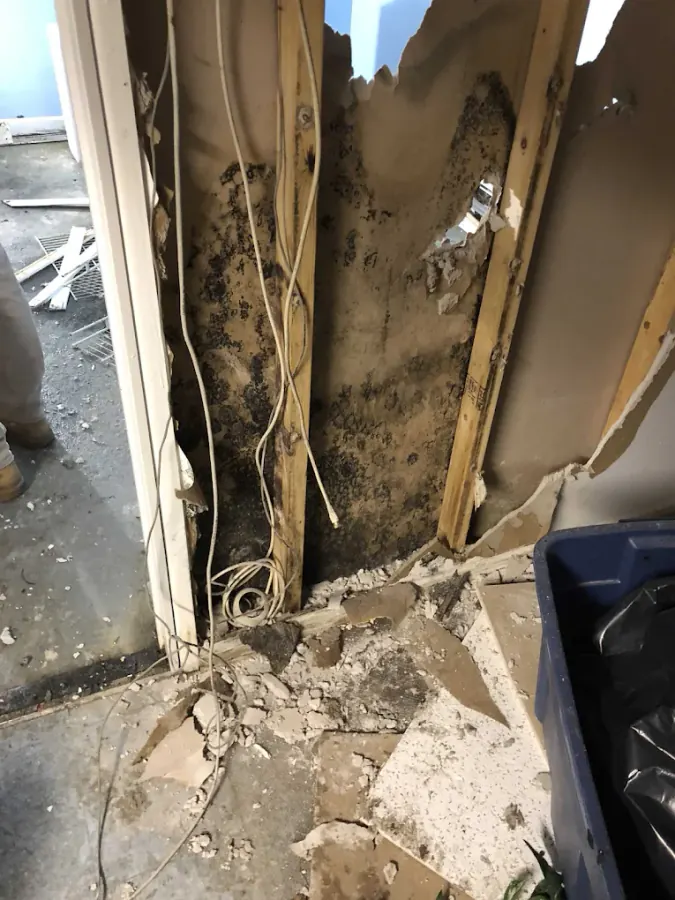
A musty smell doesn't always mean mold, and the absence of smell doesn't mean the absence of mold. Professional inspection with moisture mapping and lab-verified sampling gives you facts — not assumptions — so you know exactly what you're dealing with before making decisions.
Our Inspection
Process
Systematic Assessment Protocol
Visual Assessment
Thorough examination of all accessible areas including attics, crawl spaces, bathrooms, kitchens, and any areas with known moisture history or musty odor.
Moisture Mapping
Infrared thermal imaging and pin/pinless moisture meters identify hidden moisture behind walls, under flooring, and in ceiling cavities that visual inspection can’t detect.
Air Sample Collection
Calibrated air pumps collect indoor air samples from affected areas. An outdoor baseline sample is always collected to compare indoor spore levels against the normal outdoor environment.
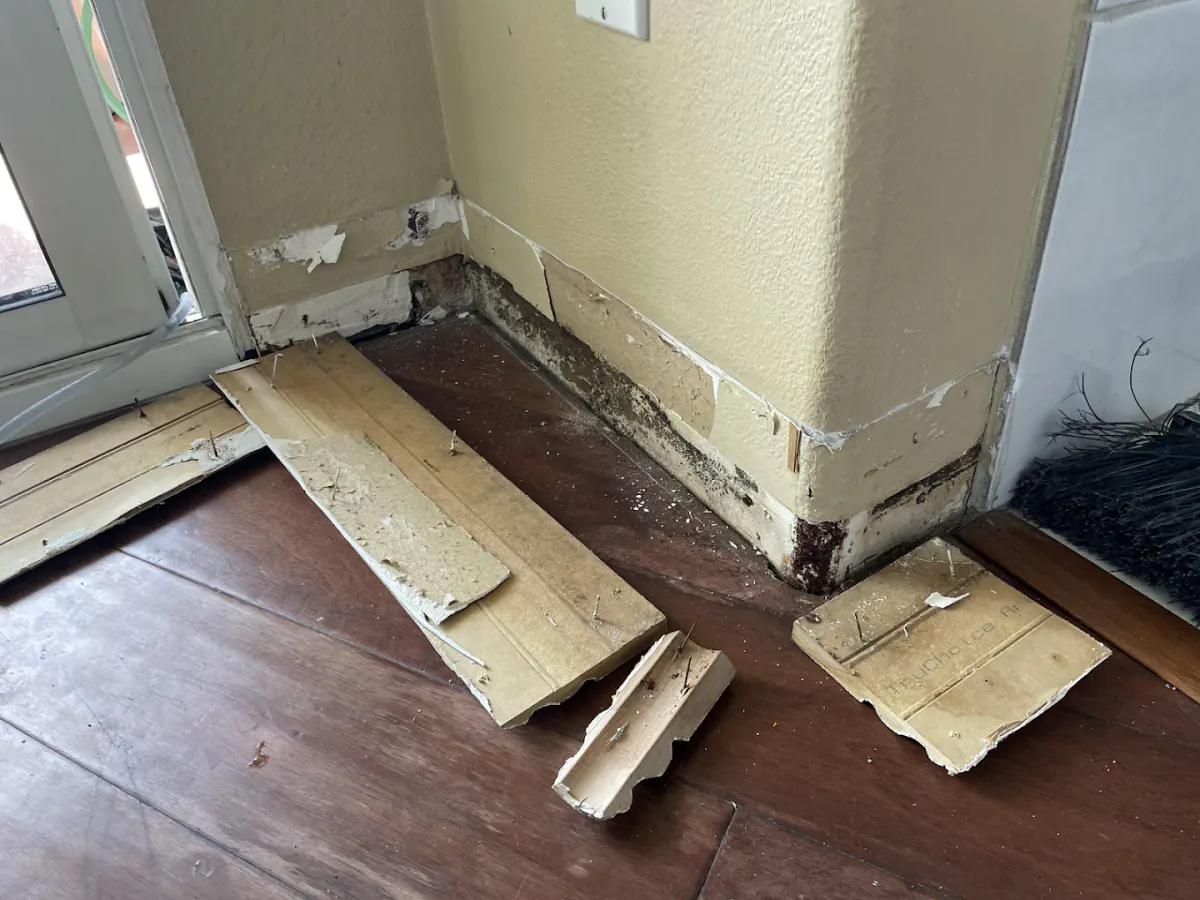
Surface & Bulk Sampling
When visible growth is found, tape-lift or swab samples identify the mold species present. Bulk samples of building materials may be collected when contamination depth needs assessment.
Accredited Lab Analysis
All samples are analyzed by an accredited third-party laboratory. Air samples are analyzed via spore trap or culturable methods. Surface samples are identified to genus level.
Written Report & Recommendations
You receive a clear written report with lab results, moisture readings, photographs, and actionable recommendations — not just raw data. We explain what it means and what to do next.
Buildings with Dampness Conditions
Recommended Indoor Humidity
Mold Growth Timeline on Wet Materials
Houses with Diminished Indoor Air Quality
Indoor air quality issues are more common than most homeowners realize. Moisture from leaks, condensation, poor ventilation, or previous water damage can create conditions for mold growth in areas that aren't visible during normal use of the home.
Our Certified Mold Inspectors (CMI) and Certified Mold Testing Technicians (CMTT) provide professional assessment backed by accredited lab analysis — giving you reliable data for informed decisions.
Sources: EPA Indoor Air Quality Guidelines; CDC Mold Prevention Recommendations; NIOSH Dampness and Mold Assessment Tool; California Department of Public Health Indoor Air Quality Program.
Buildings with Dampness Conditions
Recommended Indoor Humidity
Mold Growth Timeline on Wet Materials
Houses with Diminished Indoor Air Quality
Sources: EPA Indoor Air Quality Guidelines; CDC Mold Prevention Recommendations; NIOSH Dampness and Mold Assessment Tool; California Department of Public Health Indoor Air Quality Program.
Indoor air quality issues are more common than most homeowners realize. Moisture from leaks, condensation, poor ventilation, or previous water damage can create conditions for mold growth in areas that aren't visible during normal use of the home.
Our Certified Mold Inspectors (CMI) and Certified Mold Testing Technicians (CMTT) provide professional assessment backed by accredited lab analysis — giving you reliable data for informed decisions.
Related Services
Mold inspection often leads to remediation or reveals underlying moisture issues. Explore our related services.
Mold Remediation
When inspection reveals mold requiring professional removal, our IICRC-certified team handles containment, removal, and prevention.
Water Damage Restoration
Moisture is the root cause of mold. Our water damage restoration addresses the source to prevent recurrence.
Air Duct Cleaning
Mold in HVAC systems circulates spores throughout the entire home. Professional duct cleaning addresses system contamination.