
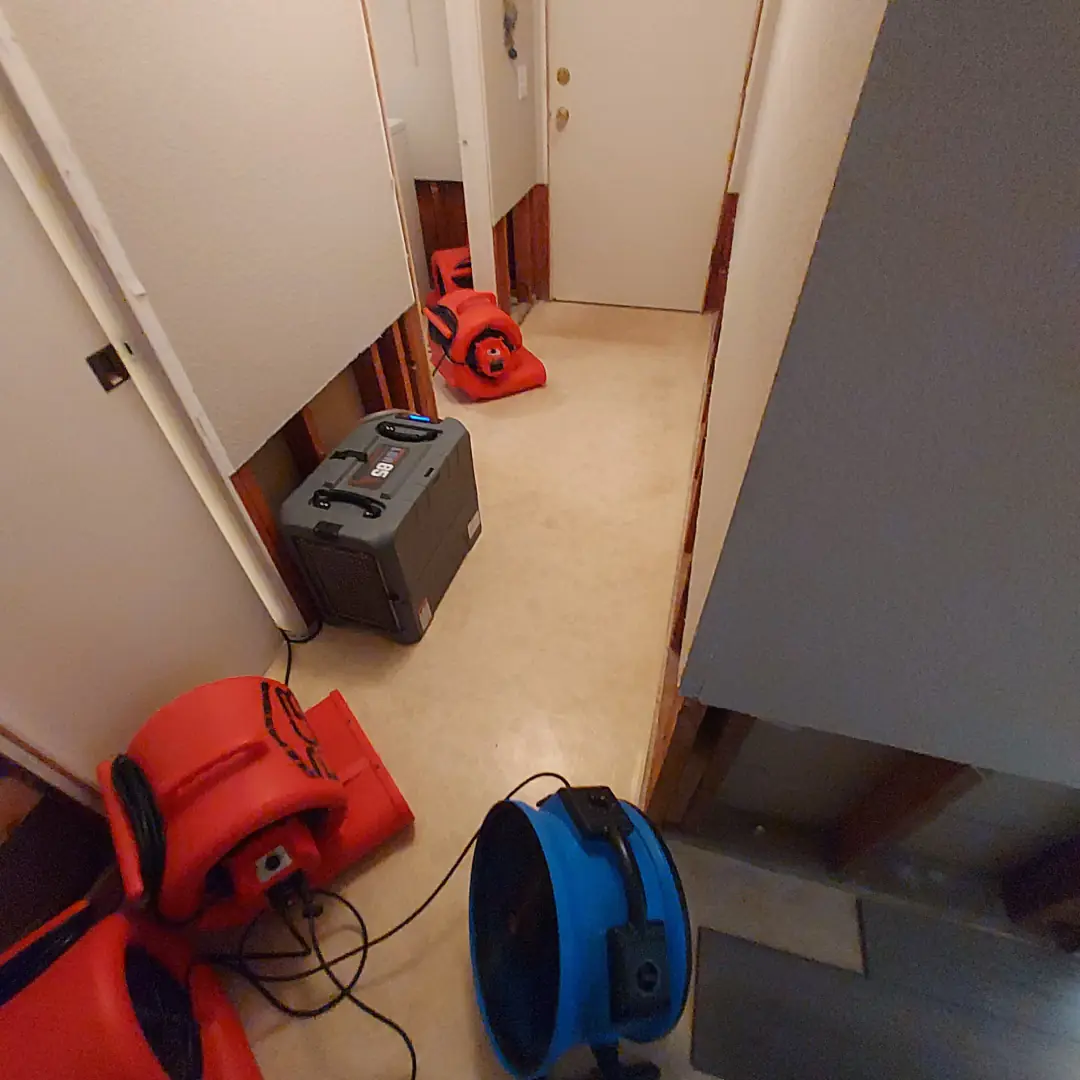
Professional
Odor Removal
Source Correction — Not Just Masking
Persistent odors after water damage, fire, mold, or sewage aren't just unpleasant — they're often a signal that something wasn't cleaned or dried properly. Our approach starts with identifying and correcting the odor source, not just covering it up.
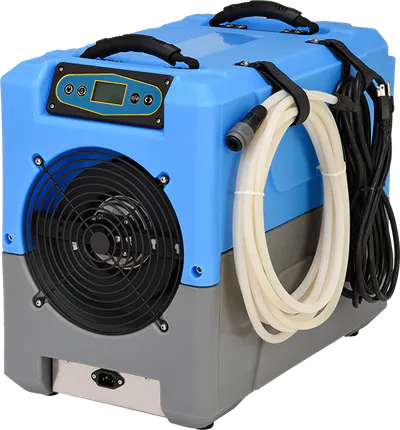
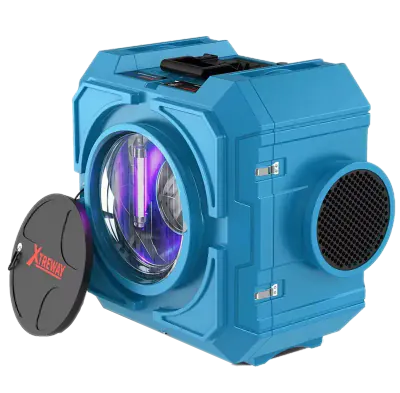
Professional Odor Removal & Deodorization
✓Identify the actual source — not just the symptom
✓Correct the underlying cause before deodorization
✓Multiple deodorization methods matched to odor type
✓Verification that odor is eliminated, not just masked
CERTIFIED & Trusted






Why Odor Masking Doesn't Work
Air fresheners, scented sprays, and consumer ozone generators attempt to cover or chemically neutralize odor molecules in the air. But if the source material is still present — soot in wall cavities, mold behind drywall, bacteria in saturated subfloor — it continuously produces new odor molecules faster than any masking product can neutralize them.
This is why odors “come back” after spraying, fogging, or running an ozone machine: the treatment addressed the odor in the air, not the source producing it. Within hours or days, the contaminated material replenishes the odor and you're back where you started.
Professional odor removal starts with source correction — identifying and eliminating the cause before applying any deodorization treatment. This is the only approach that produces lasting results.
Types of Odors We Address
Each odor type has a different source and requires a different solution. We identify the odor category, trace it to its source, and apply the appropriate correction and treatment.
Smoke & Fire Odor
Structure fires, kitchen fires, and wildfire smoke embed odor in every porous material. Residue type determines the deodorization approach.
Musty & Mold Odor
Persistent musty smells typically indicate active mold growth or hidden moisture. The odor won’t resolve until the source is identified and corrected.
Sewage & Biohazard Odor
Sewage backup, drain issues, and biohazard contamination produce strong odors that signal active health hazards requiring professional decontamination.
Water Damage & Wet Material Odor
Damp or wet building materials produce a distinctive stale odor. If materials weren’t fully dried, bacteria and mold growth are likely contributing.
Cooking & Grease Fire Odor
Protein residue from cooking fires is nearly invisible but produces extremely pungent odors that cling to every surface and resist standard cleaning.
Pet & Biological Odor
Biological odors from pet accidents, deceased animals, or other organic sources require enzyme-based treatment targeting the specific biological compounds.
Professional Deodorization Methods
After the odor source is corrected, we apply one or more professional deodorization methods based on the odor type, severity, and materials involved.
Thermal Fogging
Heat-activated deodorizing agents penetrate porous materials at the molecular level — reaching the same areas smoke and odor compounds traveled. Most effective for fire and smoke odors.
Hydroxyl Generators
Create hydroxyl radicals that break down odor-causing compounds in the air and on surfaces. Safe for use in occupied spaces, making them ideal for ongoing treatment during restoration.
Ozone Treatment
Powerful oxidizer that neutralizes many organic odor compounds. Requires space to be completely unoccupied during treatment. Effective for smoke, biological, and certain chemical odors.
HEPA Air Scrubbing
Captures airborne odor-carrying particles through activated carbon and HEPA filtration. Used in combination with other methods to continuously clean indoor air during the treatment process.
Enzyme & Antimicrobial Treatment
Enzyme-based cleaners break down biological odor sources (pet, organic, bacterial). Antimicrobial treatments eliminate bacteria and mold that produce musty and sewage-related odors.
Surface Sealing
When odor has penetrated deeply into structural materials that can’t be removed, specialized sealing primers encapsulate remaining odor compounds after cleaning, preventing them from off-gassing.
Odor Removal FAQ
Why does my house still smell after water damage cleanup?
Persistent odor after water damage cleanup usually means one of two things: materials weren't fully dried (residual moisture is feeding bacterial or mold growth), or hidden pockets of moisture exist behind walls, under flooring, or in ceiling cavities that weren't addressed during the original cleanup. Professional mold inspection with moisture mapping can identify the source.
Can ozone machines remove all odors?
Ozone can be effective for certain odor types, particularly smoke and organic odors. However, it requires proper application: the space must be completely unoccupied (ozone is harmful to breathe), correct dosing matters, and it doesn’t work on all odor sources. Ozone is one tool in a professional deodorization toolkit — not a standalone solution for every situation.
How long does professional deodorization take?
If the odor source has been identified and corrected, active deodorization typically takes 1–3 days depending on the size of the affected area and severity of odor embedding. However, if the underlying source hasn’t been addressed (hidden moisture, residual contamination, incomplete cleaning), the odor will return regardless of treatment method.
Is a musty smell always mold?
Often, but not always. Musty odors can also come from bacterial growth on damp materials, stagnant water in HVAC drain pans, wet organic debris in crawl spaces, or even damp HVAC ductwork. A professional assessment can distinguish between mold and other moisture-related odor sources. Schedule a mold inspection.
Authority Sources & Public Guidance
Still Smells? The Source Hasn't Been Addressed.
Why Masking Fails
Air fresheners, scented candles, and DIY ozone machines mask symptoms without addressing the source. If contaminated materials remain — soot in wall cavities, mold behind drywall, bacteria in subfloor — the odor returns within days. Permanent results require source correction first.
Our Odor Removal
Process
Source-First Approach
Source Identification
We trace the odor to its origin — hidden moisture, residual contamination, incomplete previous cleanup, or embedded residue in building materials. The source determines the solution.
Source Correction
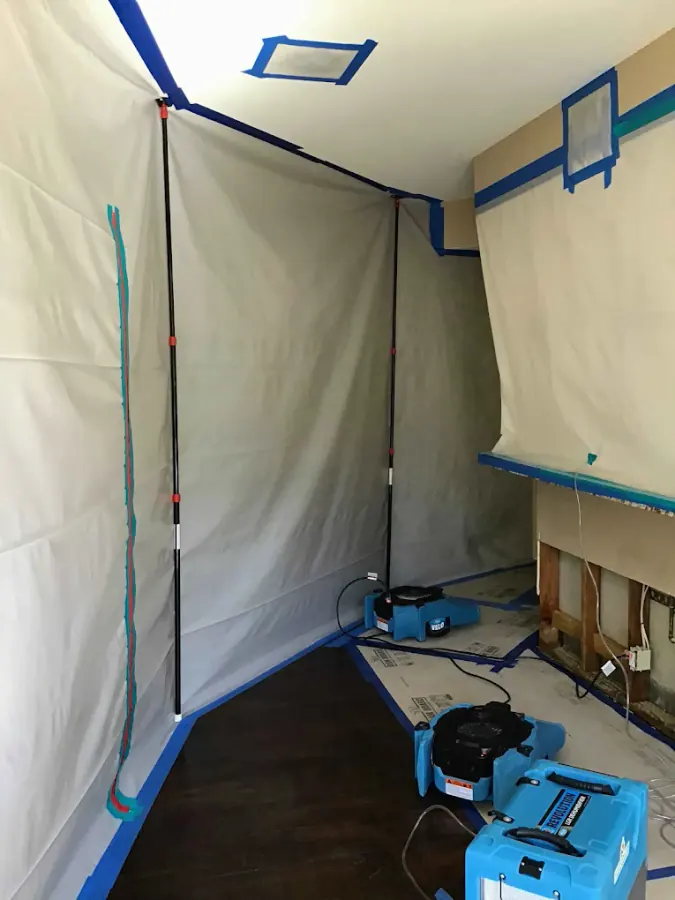
Before any deodorization begins, the underlying cause is addressed: moisture is eliminated, contaminated materials are removed, incomplete cleaning is completed properly.
Material Cleaning or Removal
Affected materials are either professionally cleaned (hard surfaces, sealed materials) or removed (saturated porous materials that cannot be decontaminated). No shortcuts.
Professional Deodorization
The appropriate deodorization method is applied based on the odor type: thermal fogging for smoke, enzyme treatment for biological, antimicrobial for mold and bacteria.
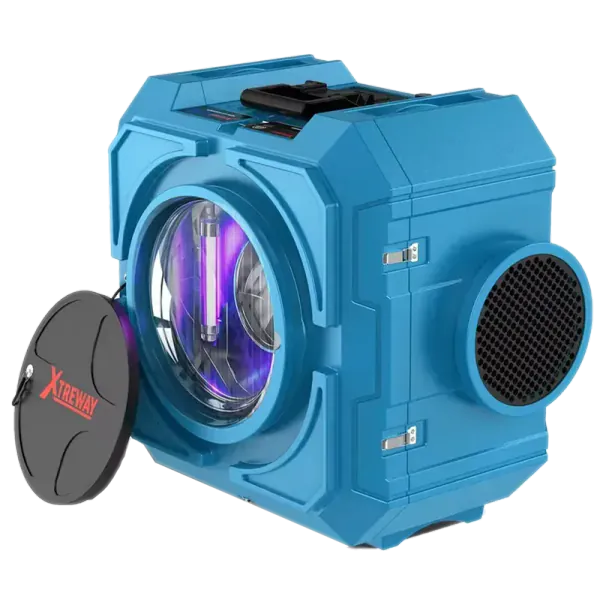
Air Filtration & Scrubbing
HEPA air scrubbers run continuously to capture airborne odor particles. Hydroxyl generators may be used for ongoing treatment in occupied spaces.
Verification & Follow-Up
We verify the odor is eliminated — not just temporarily suppressed. If the source was properly corrected and materials properly treated, the odor doesn’t return.
Musty Odors Linked to Hidden Moisture
Odor Embedding in Porous Materials
Masking vs. Source Correction
Professional Deodorization Success
Persistent odors are almost always a symptom of an unresolved underlying problem. Whether it's hidden moisture feeding mold, soot residue in wall cavities, or contaminated materials that weren't fully removed — the odor is telling you something needs attention.
Our source-correction approach means we fix the cause before treating the symptom. That's why our deodorization results last — because the problem is actually solved, not covered up.
Sources: EPA Indoor Air Quality and Mold Guidelines; CDC Mold Cleanup and Prevention; IICRC S520 Standard for Professional Mold Remediation.
Musty Odors Linked to Hidden Moisture
Odor Embedding in Porous Materials
Masking vs. Source Correction
Professional Deodorization Success
Sources: EPA Indoor Air Quality and Mold Guidelines; CDC Mold Cleanup and Prevention; IICRC S520 Standard for Professional Mold Remediation.
Persistent odors are almost always a symptom of an unresolved underlying problem. Whether it's hidden moisture feeding mold, soot residue in wall cavities, or contaminated materials that weren't fully removed — the odor is telling you something needs attention.
Our source-correction approach means we fix the cause before treating the symptom. That's why our deodorization results last — because the problem is actually solved, not covered up.
Related Services
Odors often signal underlying damage that requires specialized restoration. Explore our related services.
Fire Damage Restoration
Smoke odor removal is part of comprehensive fire damage restoration including structural repair and content cleaning.
Mold Remediation
Musty odors typically indicate active mold that requires professional removal — not just deodorization.
Smoke & Soot Cleanup
Smoke residue embedded in building materials continues producing odor until properly cleaned with residue-specific methods.