
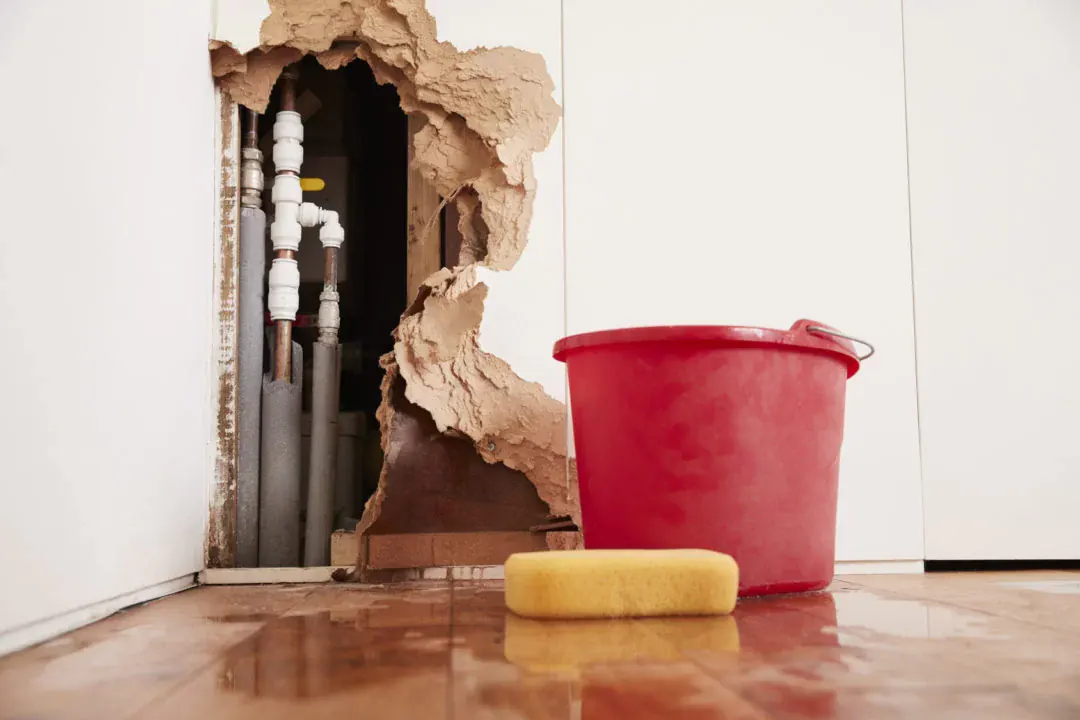
Water damage is one of the most common homeowner claim types — and also one of the most misunderstood. Some water losses are often covered (like sudden, accidental interior leaks). Others are commonly excluded or limited (like flooding or long-term seepage). Knowing the difference helps you make better decisions in the first hours after a loss.
The California Department of Insurance explains that standard homeowners coverage generally does not cover flood damage and offers flood insurance resources for consumers. Understanding the distinction between “water damage” and “flood damage” is the starting point.
If you're in Murrieta, Temecula, Menifee, or nearby areas and you need help right now:
Call Now — 877-55-FLOODStart With the Big Distinction: “Water Damage” vs. “Flood Damage”
Many claim disputes come down to where the water came from. That single factor often determines whether your standard homeowners policy applies or whether a separate flood policy is required.
Flood Damage
Usually requires a separate flood policy. Standard homeowners insurance generally does not cover flood damage — rising surface water, storm surge, or overflow from natural bodies of water.
Interior Water Damage
Homeowners policies often cover sudden and accidental discharge or overflow from plumbing, HVAC, or appliances (subject to policy wording, exclusions, and endorsements).
Water Damage That Is Commonly Covered
Coverage depends on your policy, but these are common covered-loss scenarios many homeowners policies are designed for:
Kitchen, laundry, or bathroom supply lines that rupture without warning.
Dishwasher, refrigerator/icemaker, or washing machine water line failures.
Depending on cause and policy terms — toilets, sinks, or tubs that overflow unexpectedly.
Often policy-specific — rain entering through a hole or opening caused by storm damage.
Water Damage That Is Commonly Excluded or Limited
These are the scenarios that most often create coverage issues:
Long-Term Seepage, Repeated Leakage, or Maintenance Issues
If the carrier concludes it was a slow leak over time (weeks/months) or deferred maintenance, coverage may be limited or denied.
Flooding / Rising Surface Water
This typically falls under flood insurance — a separate policy, often through the National Flood Insurance Program (NFIP).
Sewer / Drain Backup
Many policies require a specific endorsement (often with a sublimit) for sewer/drain backup. Check your policy — this endorsement is not always included by default.
Mold-Related Costs
Even when the water loss is covered, policies often have limits or conditions on mold-related costs. Fast mitigation and documentation matter.
What to Do Immediately After Water Damage
The California Department of Insurance emphasizes taking steps to prevent further damage after a loss. If it's safe:
- Stop the source (shutoff valve or main).
- Avoid electrical hazards — don’t step into standing water near outlets or panels.
- Document quickly (photos/video of source and affected rooms).
- Start reasonable mitigation (extraction, controlled drying) — don’t wait if it’s safe.
- Save receipts + make a timeline (when discovered, shutoff time, actions taken).
Why the First 24–48 Hours Matter
Even if you're not sure about coverage yet, drying and stabilization shouldn't wait when it's safe to begin. Public health guidance commonly recommends drying wet materials quickly — often within 24–48 hours when possible — to reduce mold growth risk. Our water damage restoration team responds 24/7 to begin drying as quickly as possible.
That doesn't mean “everything is ruined after 48 hours.” It means: the longer moisture stays trapped, the more likely you'll need more invasive drying, cleaning, or removal to truly fix it.
“Right to Choose” in California
California's Fair Claims regulations include a key protection: insurers cannot require that you repair with a specific individual or entity, and they can only recommend contractors under certain conditions. (Ref: 10 CCR 2695.9)
Don't feel locked into a preferred vendor. You have the right to choose the restoration company that works on your home.
Choose an Independent Company That Protects Your Outcome
If you have a covered water loss, the goal shouldn't be “fastest/cheapest” — it should be proper stabilization with verifiable documentation.
We recommend hiring an independent restoration company (like us) whose priority is your property and your long-term result:
- Proper moisture mapping (including hidden wet materials)
- Controlled drying (not just “fans”)
- Daily monitoring and drying logs
- Clear scope documentation that matches real conditions
That's how you avoid lingering odor, secondary damage, and scope disputes later.
How Rapid Clean Restoration Helps With the Insurance Process
We work directly with your carrier when possible and support your claim file with:
Direct billing is available in many cases (coverage and carrier requirements vary). Homeowners are typically responsible for deductibles and any non-covered items.
See also: What types of water damage are covered by homeowners insurance?
Local Resources (Riverside County & Surrounding Areas)
If you're trying to understand flood risk (not the same as interior water damage), this is useful:
Floodplain information tools and resources for properties in Riverside County.
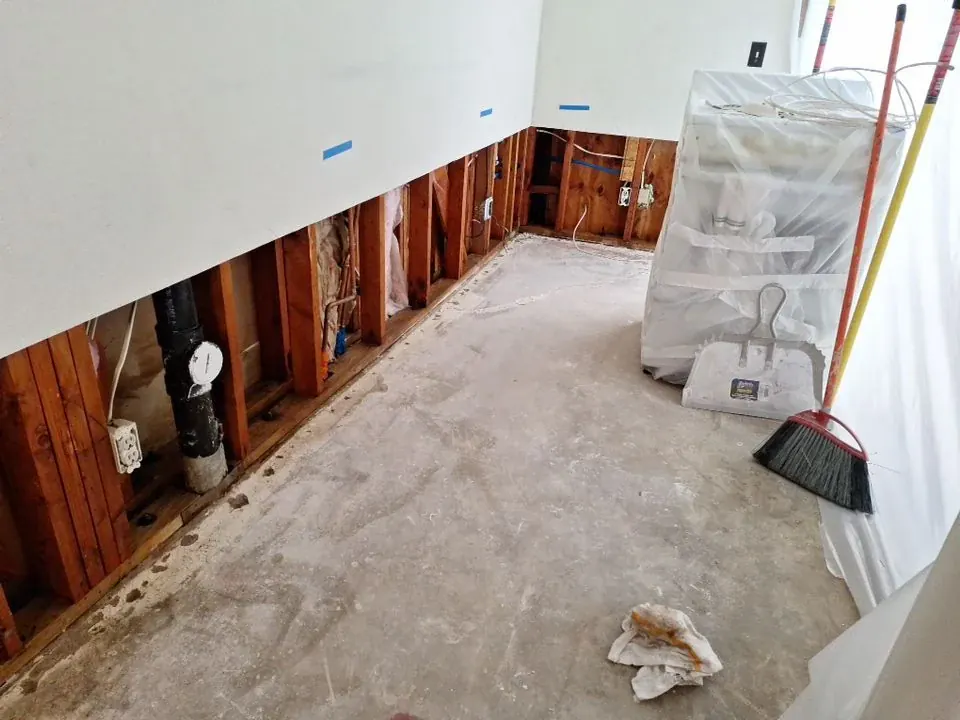
Wet Flooring, Swelling Baseboards, or a Musty Smell After a Leak?
The fastest way to reduce damage is controlled drying early — with documentation that supports your claim.
877-55-FLOOD — Available 24/7Frequently Asked Questions
Does homeowners insurance cover water damage?
It depends on the cause. Sudden, accidental water damage from interior sources (burst pipes, appliance failures) is often covered. Flooding, long-term seepage, and maintenance-related damage are commonly excluded or limited. Check your specific policy.
What’s the difference between water damage and flood damage for insurance?
Water damage typically refers to water from interior sources (plumbing, appliances, HVAC). Flood damage refers to rising surface water, storm surge, or overflow from natural sources. Standard homeowners policies generally don’t cover flood damage — that requires a separate flood policy.
Do I need to wait for the insurance adjuster before starting cleanup?
Consumer guidance from the California Department of Insurance emphasizes taking reasonable steps to prevent further damage after a loss. Drying and stabilization shouldn’t wait when it’s safe to begin. Document everything thoroughly before and during mitigation.
Can my insurance company require me to use their preferred restoration vendor?
Under California’s Fair Claims regulations (10 CCR 2695.9), insurers cannot require that you repair with a specific individual or entity. You have the right to choose your own restoration company.
Does my policy cover sewer or drain backup?
Many standard homeowners policies do not cover sewer/drain backup by default. It often requires a specific endorsement, sometimes with a sublimit. Contact your agent to confirm whether you have this coverage.
References & Authority Sources
- CA Residential Property Claims Guide — prevent further damage / claim steps
- CA Residential Claims Guide (PDF)
- CA Fair Claims Regulations Hub
- “Right to Choose” regulation (10 CCR 2695.9)
- Flood Insurance Overview — FEMA / NFIP
- CA Dept. of Insurance — Flood Facts
- United Policyholders — California insurance rights summary (ref. 2695.9)
Need Help With a Water Damage Claim?
We coordinate directly with your insurance company, provide claim-ready documentation, and help keep the process simple.
Learn About Insurance BillingDiscussion
8 comments on “What You Need to Know About Water Damage and Insurance in California”
We had a slab leak that went undetected for weeks. By the time we noticed, the baseboards were warped and there was mold behind the bathroom vanity. Insurance initially tried to deny the claim saying it was long-term neglect. Having a restoration company document everything properly was the only reason the claim went through.
That's exactly why I got leak detection sensors installed after we had our water damage. They were like $30 each and I put them under every sink and behind the water heater. Peace of mind for cheap.
Really useful info about the difference between flood coverage and standard water damage coverage. We live near a wash in Menifee and always assumed our homeowners policy would cover any water issues. Just found out we need a separate FEMA flood policy. Getting that sorted out now.
The part about calling a restoration company first is key. When our upstairs bathroom leaked into the kitchen ceiling, we panicked and called the insurance company first. They didn't send anyone out for four days. By then the ceiling drywall was sagging and mold was starting. If we'd called a restoration team first, the damage would have been way less.
Four days! That's terrible. We were told the same — get the water stopped and call a mitigation company immediately, then call insurance after. The restoration company we used actually called our insurance for us while they were setting up the drying equipment.
Question for anyone who's been through this — how long did the whole process take from water damage to being fully restored? We're about to start a claim and trying to set expectations.
Ours was about 6 weeks total. Three days for drying, then waiting on insurance approval for the rebuild, then about two weeks for the actual repairs. The waiting on insurance was the longest part.
Thank you for explaining this clearly. Insurance jargon is confusing and it's hard to know what questions to ask. Going to do the yearly policy review like the other article suggested.