
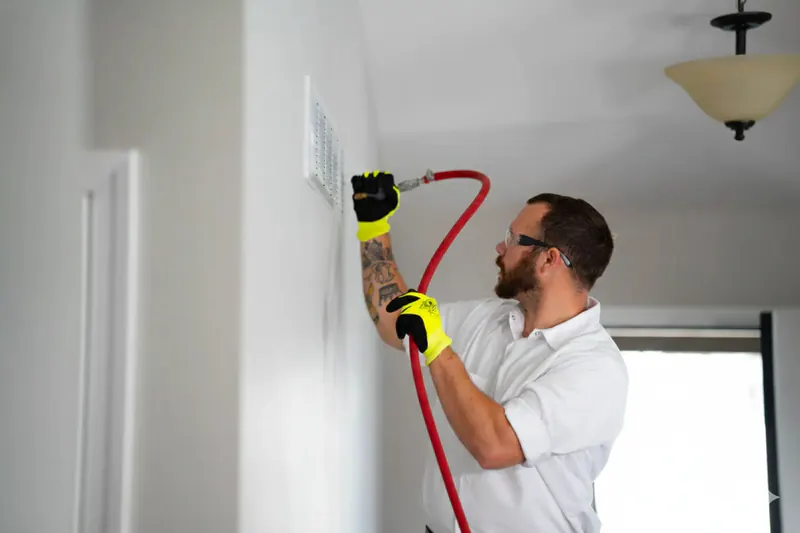
Air Duct Cleaning in Southern California
Source-Removal • Negative Pressure • HVAC Components
Source-removal cleaning for healthier airflow, better system performance, and cleaner indoor environments. Professional duct cleaning should be done using negative pressure methods and a scope that includes key HVAC components—not just “vacuum the vents.”
Residential & commercial service available
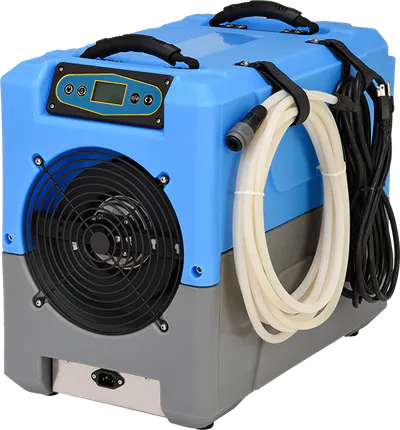
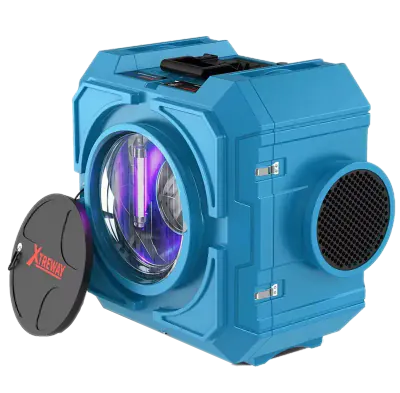
Air Duct Cleaning
- Source-removal cleaning under negative pressure
- Supply, return, registers & component-level scope
- Moisture & mold indicators assessed before cleaning
- Clear documentation & next-step guidance
CERTIFIED & Trusted






What duct cleaning actually is
Air duct cleaning is the process of removing built-up dust, debris, and contaminants from your HVAC air pathways— typically including supply ducts, return ducts, registers/grilles, the blower compartment, and coil area depending on conditions. Done correctly, it's a source-removal process: contaminants are captured and removed from the system rather than blown around the home.
Important: If the contamination is being caused by a moisture issue (condensation, leaks, wet insulation, or mold), cleaning alone won't solve it—the underlying moisture problem must be corrected.
When duct cleaning makes sense
The situations where it's worth doing
Visible mold in ducts, air handler, or near supply/return openings
If you see visible growth or smell persistent musty odor that tracks with HVAC runtime, a professional assessment can determine whether cleaning is appropriate—or whether wet insulation/liner needs replacement per EPA guidance.
After construction, remodeling, or drywall work
Fine dust from renovations can settle in returns, trunks, and registers—especially if containment wasn’t perfect or filters were bypassed.
After water damage, roof leaks, or HVAC drain problems
If your HVAC system may be contaminated after a moisture event, the CDC advises not running the system if you think it's contaminated with mold and recommends inspection/cleaning before restarting. Learn more about our water damage restoration services.
Pest activity (droppings, nesting, odor)
If there’s evidence of vermin or insects in the duct system, cleaning is often part of the solution—along with sealing entry points.
Heavy dust buildup that returns quickly
If you’re cleaning constantly but dust returns fast, it can be a sign of return-side leakage, filter bypass, attic/crawlspace infiltration, or debris in the system.
When duct cleaning is not the first answer
EPA's position is clear: duct cleaning is not recommended as a routine annual service. It's a targeted service for specific conditions.
If your main concern is “air quality,” the higher-impact first steps often include:
- Correct filtration (proper fit + consistent changes)
- Controlling humidity and moisture sources
- Addressing dust entry points (returns, attic bypasses, door gaps)
- Targeted cleaning at the coil/blower where buildup actually reduces performance
We won't oversell duct cleaning when filtration, sealing, or moisture correction would produce a better outcome. The scope is driven by what we find—not a one-size-fits-all upsell.
Our Duct Cleaning Approach
Inspection & scope
We document the system layout, visible debris patterns, filter fitment issues, and any moisture/condensation indicators. If we see signs that insulated duct liner is wet/moldy, we’ll recommend next steps consistent with EPA guidance (replacement + moisture correction).
Protect the home
Registers are protected, work areas are staged, and we prevent re-entrainment of dust into living spaces.
Source-removal cleaning under negative pressure
Industry standards emphasize maintaining negative duct pressurization during cleaning so loosened debris is captured and removed rather than redistributed.
Component-level cleaning (when needed)
Depending on the situation, we may include supply/return trunk lines and branches, registers/grilles, blower compartment access area, and coil area inspection/cleaning recommendations as appropriate.
Documentation & next-step guidance
You get a clear summary of what was addressed and what will help keep the system clean longer (filter fitment, return leaks, humidity control, etc.).
Mold, moisture, and ducts
The most important rule: fix moisture first
If mold is present, moisture is the driver. The CDC notes you don't need to know the “type” of mold—what matters is removing mold and fixing the moisture problem.
If insulation in ductwork is wet/moldy, EPA's guidance is that it generally cannot be effectively cleaned and should be removed/replaced.
If you suspect mold throughout the HVAC system or living spaces, our mold remediation services can address the full scope—containment, removal, moisture correction, and verification.
For property managers & owners
Duct cleaning becomes especially valuable when you need:
- A documented response to tenant complaints
- A reset after turnover, construction, or water issues
- A plan that reduces repeat calls (filter fitment + moisture + infiltration)
If the primary goal is “proof” for an unresolved tenant concern, indoor air quality testing (with an outdoor baseline) can be a strong documentation tool alongside corrective work.
Duct cleaning is also commonly needed after fire or smoke damage to remove soot and ash residue from the HVAC system.
Service areas
We serve Temecula, Murrieta, Menifee, Wildomar, Winchester, Canyon Lake, and nearby areas including French Valley, Meadowview, De Luz, Rainbow, Fallbrook.
View all service areasFrequently Asked Questions
How often should ducts be cleaned?
There’s no one schedule that fits every property. The EPA does not recommend routine cleaning—only as needed based on conditions like mold, pests, or debris.
Will duct cleaning fix allergies?
It can help in specific contamination scenarios, but it’s not a universal cure. Filtration, moisture control, and cleaning the right HVAC components often matter more than a “vent vacuum.”
Can you clean mold out of insulated ducts?
If insulation/liner is wet or moldy, EPA notes it generally can’t be effectively cleaned and should be replaced, with the moisture issue corrected to prevent recurrence.
Need your ducts assessed or cleaned?
Whether it's post-construction dust, mold concerns, pest contamination, or just a system that hasn't been maintained—we'll give you an honest assessment and clean what actually needs cleaning.
Call 24/7: 877-55-FLOOD