
Smoke & Soot
Damage Cleanup
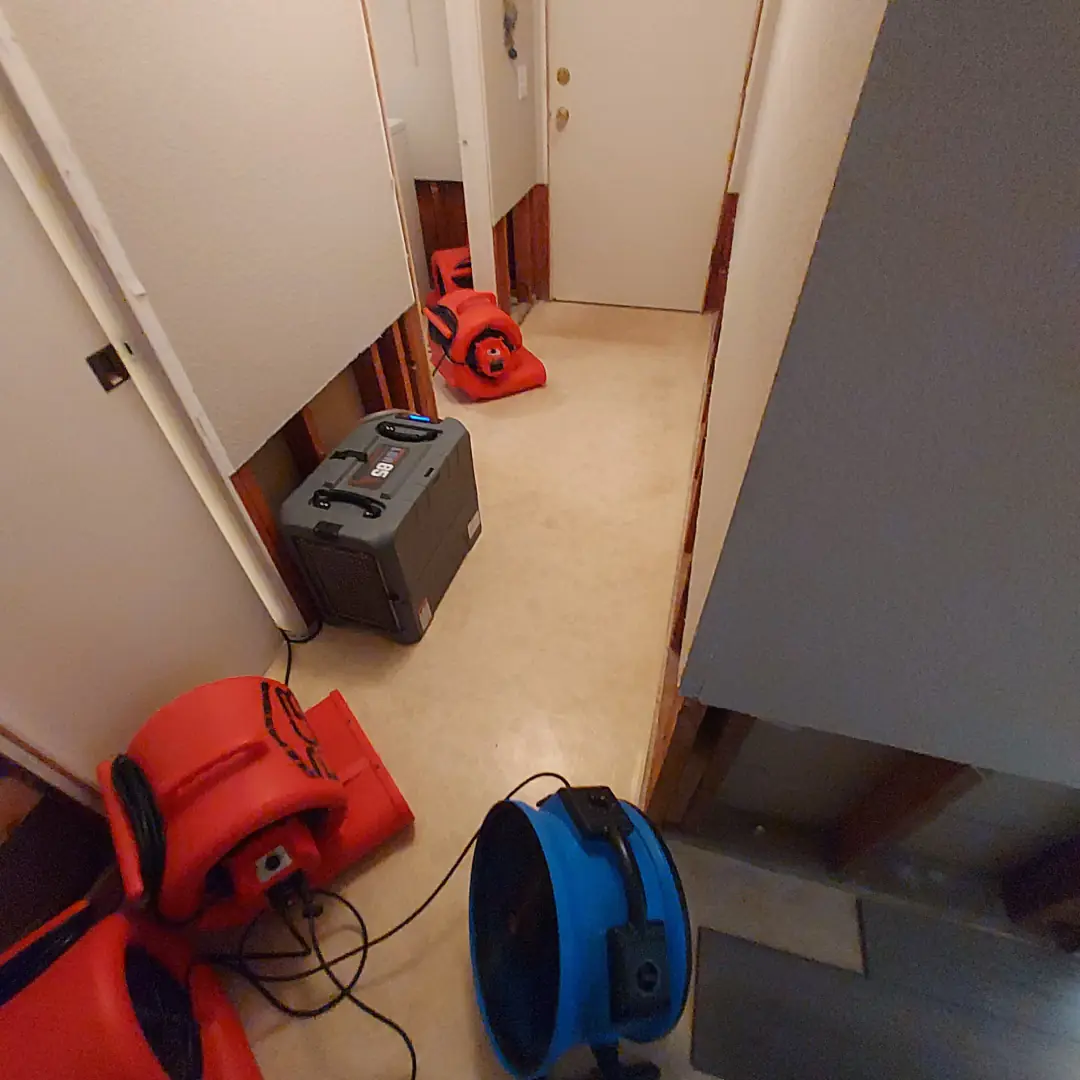
HEPA-Filtered Professional Restoration
Smoke residues behave differently depending on fire temperature, fuel source, and materials burned. A one-size-fits-all approach leaves staining and odor behind. We identify the residue type first, then match the cleaning method to the surface material.
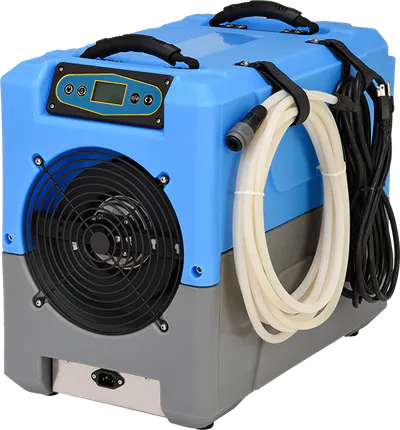
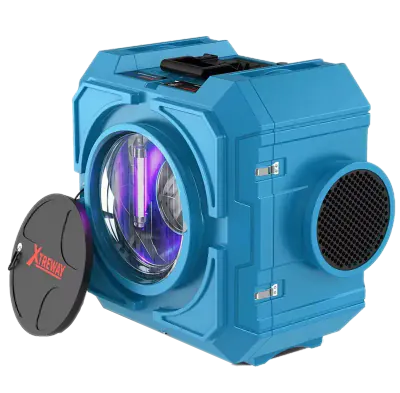
Professional Smoke & Soot Restoration
✓Residue type identification before cleaning begins
✓HEPA-filtered air scrubbing per Cal/OSHA requirements
✓Surface-specific cleaning chemistry matched to material
✓Professional odor control and deodorization
CERTIFIED & Trusted







Three Types of Smoke Residue
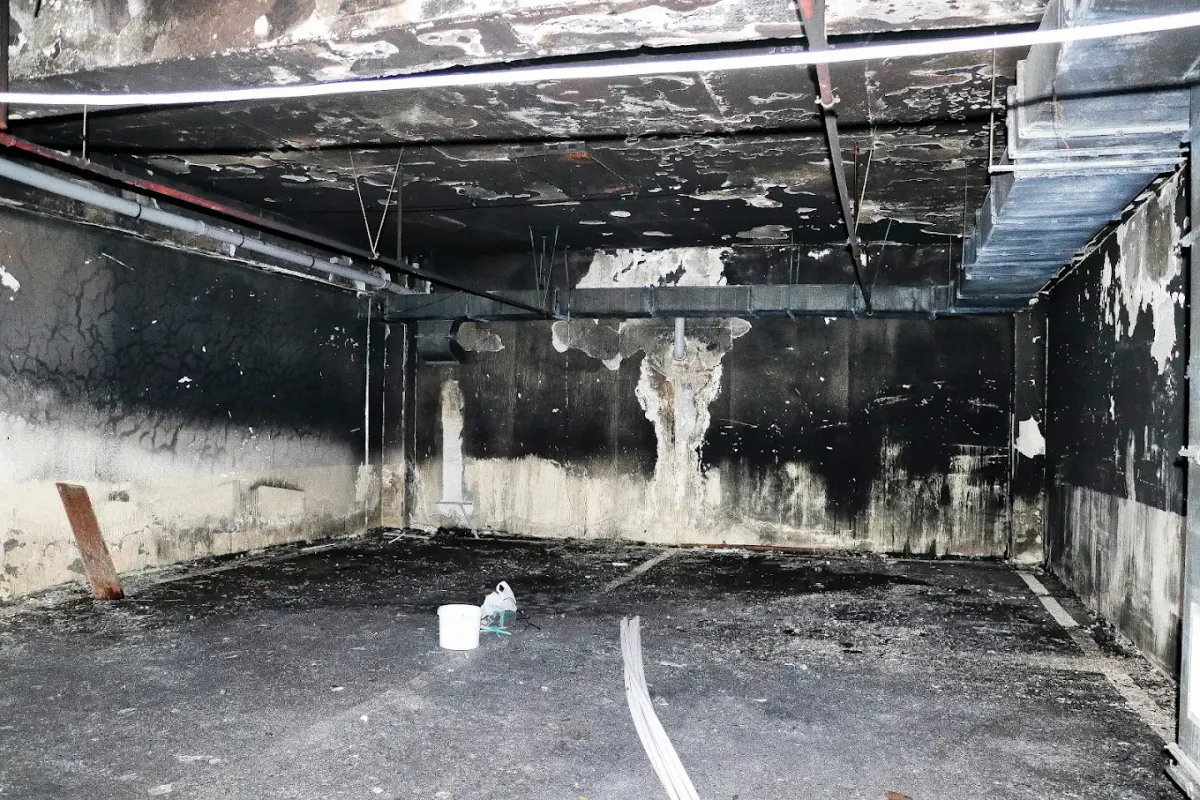
Not all smoke damage is the same. The residue left behind depends on the fire temperature, fuel source, and oxygen availability. Cleaning with the wrong method can permanently set stains or drive residue deeper into materials.
Dry Smoke Residue
Source: High-temperature, fast-burning fires
Appearance: Powdery, fine, dry particles
Cleaning: Responds well to HEPA vacuuming and dry sponge cleaning. Easier to remove from smooth surfaces but can embed deeply in porous materials.
Wet Smoke Residue
Source: Low-temperature, smoldering fires
Appearance: Sticky, smeary, thick residue with strong odor
Cleaning: Requires chemical solvents and careful surface-specific cleaning. Smears easily when wiped — wrong technique makes it worse. Most labor-intensive type.
Protein Residue
Source: Kitchen fires (food, grease)
Appearance: Nearly invisible thin film, extremely pungent odor
Cleaning: Discolors paints and varnishes over time. Requires specialized cleaning agents because it’s often not visible to the eye until surfaces are treated.
Why HEPA Filtration Is Required
Cal/OSHA's Department of Industrial Relations explicitly requires HEPA-filtered vacuums during fire cleanup and prohibits dry sweeping, compressed air, or blowers that can re-aerosolize settled soot particles. This isn't optional — it's a regulatory requirement for worker safety and occupant health.
Soot particles as small as 2.5 microns (PM2.5) can penetrate deep into the lungs and enter the bloodstream. Standard vacuums and air filters don't capture particles this fine — they pass through conventional filtration and recirculate into the air.
Our cleanup process uses HEPA air scrubbers running continuously during all work phases, HEPA-filtered vacuums for particulate removal, and negative air containment to prevent soot migration to unaffected areas.
Smoke Damage Beyond the Burn Area
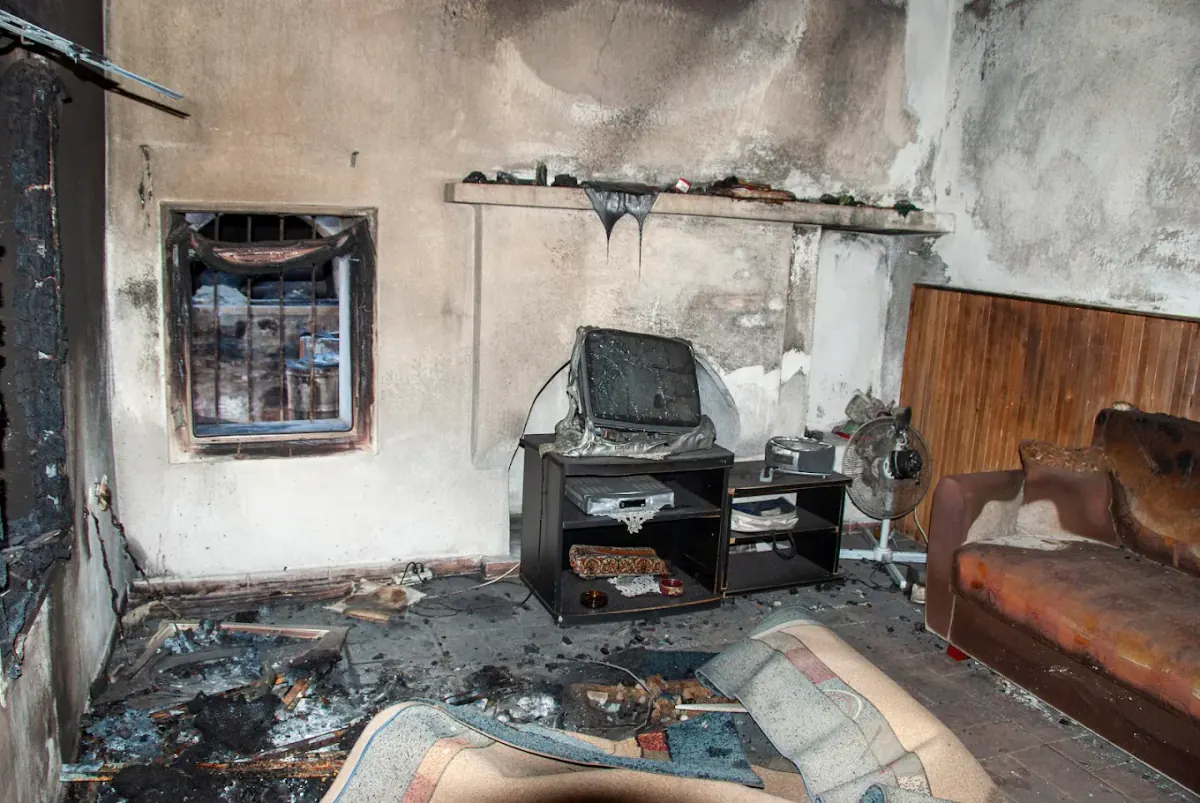
Smoke follows the path of least resistance — traveling through HVAC ductwork, electrical outlets, plumbing penetrations, and gaps in framing. In multi-story buildings, the stack effect pulls smoke upward through stairwells, elevator shafts, and wall cavities.
This means a kitchen fire on the first floor can deposit soot on surfaces in every room of the home, including bedrooms, closets, and attic spaces that appear unaffected. A thorough assessment is critical — cleaning only the visibly damaged room leaves hidden contamination that continues producing odor.
Smoke & Soot Damage FAQ
Can smoke damage be cleaned without repainting?
It depends on the residue type and surface material. Dry smoke on smooth, sealed surfaces can often be cleaned without repainting. Wet smoke on porous surfaces (textured drywall, unfinished wood) typically requires cleaning followed by sealing primer and repainting. We assess each surface and recommend the least invasive approach that will actually work.
How do I know if my HVAC system is contaminated with soot?
Check supply registers, return grilles, and your air filter. If you see black residue or soot particles, your ductwork likely needs professional cleaning. Running a contaminated HVAC system circulates soot particles throughout your home. Learn about our air duct cleaning services.
Is soot dangerous to touch or breathe?
Yes. Soot contains fine particulate matter (PM2.5) that penetrates deep into the lungs. Cal/OSHA’s Department of Industrial Relations requires HEPA-filtered vacuums and prohibits dry sweeping or use of blowers at fire cleanup sites. Minimize exposure and avoid disturbing soot deposits without proper respiratory protection.
What about smoke damage from a neighbor’s fire?
Smoke migrates through shared walls, attic spaces, HVAC connections, and plumbing penetrations in multi-unit buildings. Even in detached homes, nearby fires can cause smoke infiltration through open windows, vents, and gaps. A professional assessment can determine the extent of contamination and what cleaning is needed.
Smoke Traveled Further Than You Think
Hidden Damage Beyond the Burn Area
Smoke follows pressure differentials — migrating through HVAC ducts, wall cavities, electrical penetrations, and plumbing chases. Soot deposits in areas far from the fire origin can cause ongoing odor and staining if not addressed. A thorough assessment includes every room, not just visibly damaged areas.
Our Smoke Cleanup
Process
Residue-Specific Approach
Residue Type Identification
We identify whether you have dry smoke, wet smoke, or protein residue. Each type requires different cleaning chemistry and technique. Wrong approach makes it worse.
Containment & HEPA Filtration
Affected areas are contained to prevent cross-contamination. HEPA air scrubbers begin filtering fine particulates per Cal/OSHA DIR guidance.
HEPA Vacuuming
Loose particulates are removed with HEPA-filtered vacuums before wet cleaning. Cal/OSHA prohibits dry sweeping or use of blowers at fire cleanup sites.
Surface-Specific Cleaning
Each surface receives cleaning matched to both the residue type and the material: dry sponge for porous surfaces, chemical solvents for wet smoke on hard surfaces, enzyme cleaners for protein residue.
HVAC Inspection & Cleaning
Supply registers, return grilles, and accessible ductwork are inspected. If soot is present, professional duct cleaning prevents re-contamination when the system runs.
Odor Control & Deodorization
Professional deodorization addresses embedded smoke odor through thermal fogging, hydroxyl generation, or ozone treatment depending on the situation and material types.
Smoke Particle Size (PM2.5)
Smoke Migration Beyond Fire Origin
HVAC Contamination After Interior Fire
Wet Smoke Residue Cleaning Difficulty
Smoke damage often extends far beyond the visible burn area. Fine soot particles travel through HVAC systems, wall penetrations, and pressure differentials to settle on surfaces throughout the entire structure — including rooms that appear unaffected.
We identify the residue type before cleaning begins — because the wrong cleaning method on the wrong residue type makes smoke damage permanently worse, not better.
Sources: Cal/OSHA Department of Industrial Relations — Respiratory Protection During Fire Cleanup; South Coast AQMD Wildfire Health Tips; EPA Indoor Air Quality Guidelines.
Smoke Particle Size (PM2.5)
Smoke Migration Beyond Fire Origin
HVAC Contamination After Interior Fire
Wet Smoke Residue Cleaning Difficulty
Sources: Cal/OSHA Department of Industrial Relations — Respiratory Protection During Fire Cleanup; South Coast AQMD Wildfire Health Tips; EPA Indoor Air Quality Guidelines.
Smoke damage often extends far beyond the visible burn area. Fine soot particles travel through HVAC systems, wall penetrations, and pressure differentials to settle on surfaces throughout the entire structure — including rooms that appear unaffected.
We identify the residue type before cleaning begins — because the wrong cleaning method on the wrong residue type makes smoke damage permanently worse, not better.
Related Services
Smoke damage often requires complementary restoration services. Explore related options below.
Fire Damage Restoration
Complete fire damage cleanup including structural repair, content restoration, and board-up services.
Odor Removal
Smoke odor is often the last thing to leave. Source-correction deodorization eliminates embedded odors.
Air Duct Cleaning
Soot in your HVAC system re-contaminates cleaned areas every time the system runs. Professional duct cleaning stops the cycle.