Sewage Cleanup
& Biohazard Decontamination
Category 3 Water Damage Specialists
Sewage backups are not standard water damage. Contaminated water requires controlled removal, decontamination, and specialized handling that goes beyond drying out a room. If you're dealing with sewage, keep people and pets out and call immediately.
Professional Sewage Cleanup
✓IICRC S500 Category 3 protocols for contaminated water
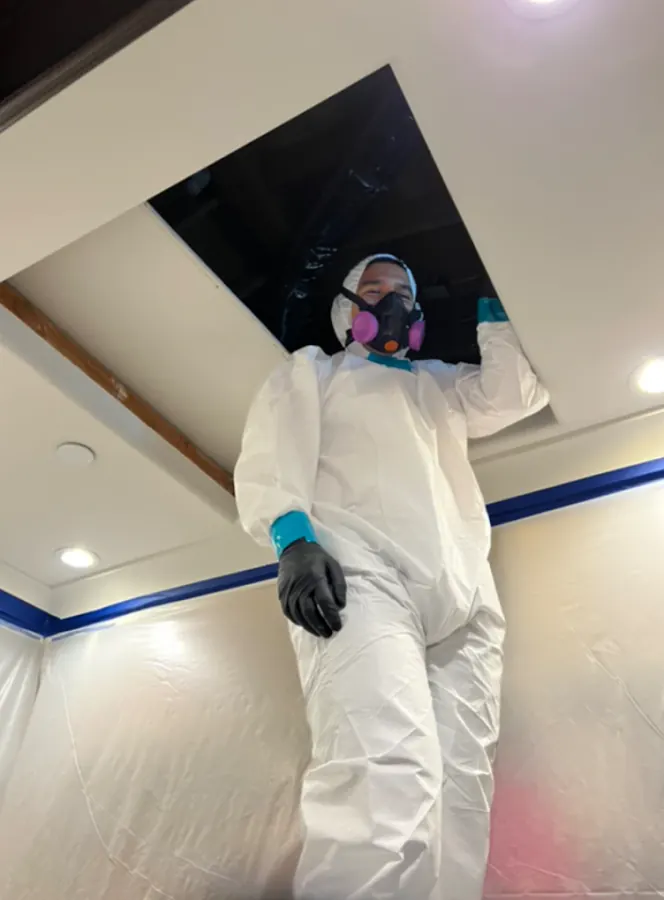
✓Biohazard-rated PPE and full containment setup
✓Controlled material removal and antimicrobial decontamination
✓Insurance-ready documentation and direct billing
CERTIFIED & Trusted




Understanding Water Damage Categories
The IICRC classifies water damage into three categories based on contamination level. Each category requires different handling — and sewage falls into the most serious classification.
Category 1 — Clean Water
Water from a sanitary source: broken supply lines, faucet leaks, appliance malfunctions. Generally safe for contact. Materials can often be dried in place if addressed promptly.
Category 2 — Gray Water
Water with some contamination: washing machine overflow, dishwasher discharge, toilet overflow with urine (no solids). Requires more aggressive cleaning and some material removal.
Category 3 — Black Water
Grossly contaminated water: sewage backups, rising floodwater, toilet overflow with solids. Contains bacteria, viruses, and parasites. Porous materials below the flood line require removal. Professional handling mandatory.
Common Causes of Sewage Backup in Southern California
Riverside County has a mix of newer developments and aging infrastructure. These are the most common sewage backup causes we respond to in Murrieta, Temecula, and surrounding communities.
Tree Root Intrusion
Roots seek moisture and penetrate sewer lateral joints. Older clay pipes in established neighborhoods are especially vulnerable.
Municipal Sewer Main Blockages
City main line blockages can force sewage back through residential connections, sometimes affecting multiple homes.
Aging Clay Sewer Laterals
Many properties in Riverside County still have original clay sewer laterals that crack, separate, or collapse over time.
Heavy Storm Overloads
Southern California’s intense but infrequent rainstorms can overwhelm combined sewer systems, causing backup into lower-lying properties.
Grease & Debris Buildup
Accumulated grease, hygiene products, and other debris gradually restrict flow until a full blockage occurs.
Failed Backflow Preventers
Backflow prevention devices can fail if not maintained, allowing municipal sewage to flow backwards into the home.
Health Risks From Sewage Exposure
Raw sewage contains E. coli, Salmonella, Hepatitis A, Giardia, Cryptosporidium, and other dangerous pathogens. The CDC recommends avoiding direct contact with floodwater that may contain sewage and advises thorough handwashing after any contact. Cal/OSHA requires workers handling sewage to use proper PPE including respiratory protection.
Do not attempt to clean sewage without proper equipment. Keep children, elderly, immunocompromised individuals, and pets completely away from affected areas until professional decontamination is complete.
Sewage Cleanup FAQ
Is sewage backup covered by homeowner’s insurance?
Most standard California homeowner policies exclude sewer backup damage unless a specific sewer/drain backup rider or endorsement was purchased. If you have the endorsement, coverage typically applies to cleanup, repairs, and damaged contents. Check with your insurer or review your declarations page. Learn more about how we handle direct insurance billing.
How long does sewage cleanup take?
It depends on the scope of contamination and affected materials. A single-room sewage event with limited material removal may be completed in 3–5 days. Larger events involving multiple rooms, subfloor contamination, or structural drying typically take 5–7+ days. Every project includes post-remediation verification before we close out.
Can I clean up sewage myself?
The EPA and CDC recommend professional handling for Category 3 water damage. Sewage contains bacteria, viruses, parasites, and other pathogens that pose serious health risks. Without proper PPE, containment, and decontamination protocols, DIY cleanup can spread contamination and create larger problems.
What materials need to be removed after sewage backup?
Per IICRC S500 guidelines, porous materials below the flood line in Category 3 events typically require removal. This includes carpet, carpet padding, drywall (at minimum 12 inches above the waterline), insulation, and any particleboard or pressed-wood materials that absorbed contaminated water.
What about the smell after sewage cleanup?
Persistent odor after cleanup usually means organic material or contamination was missed. Our decontamination process includes antimicrobial treatment and professional deodorization. If odor persists, it typically indicates an unaddressed source. Learn more about our professional odor removal services.
Sewage Backup? Don't Wait.
Health Risk Increases Every Hour
Contaminated water spreads pathogens to every porous surface it contacts. The longer sewage sits, the more material must be removed and the greater the health risk to occupants. If you see or smell sewage, evacuate the affected area and call us.
Our Sewage Cleanup
Process
IICRC S500 Category 3 Protocol
Emergency Safety Assessment
We assess the contamination scope, isolate the affected area, and identify the sewage source. Occupants and pets are kept out of the contaminated zone.
Contamination Containment
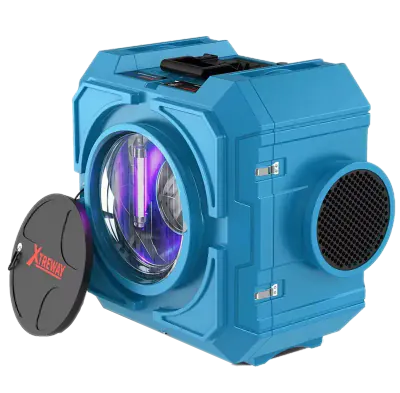
Physical barriers and negative air pressure prevent cross-contamination to unaffected areas. HEPA air scrubbers begin filtering airborne pathogens.
Contaminated Material Removal
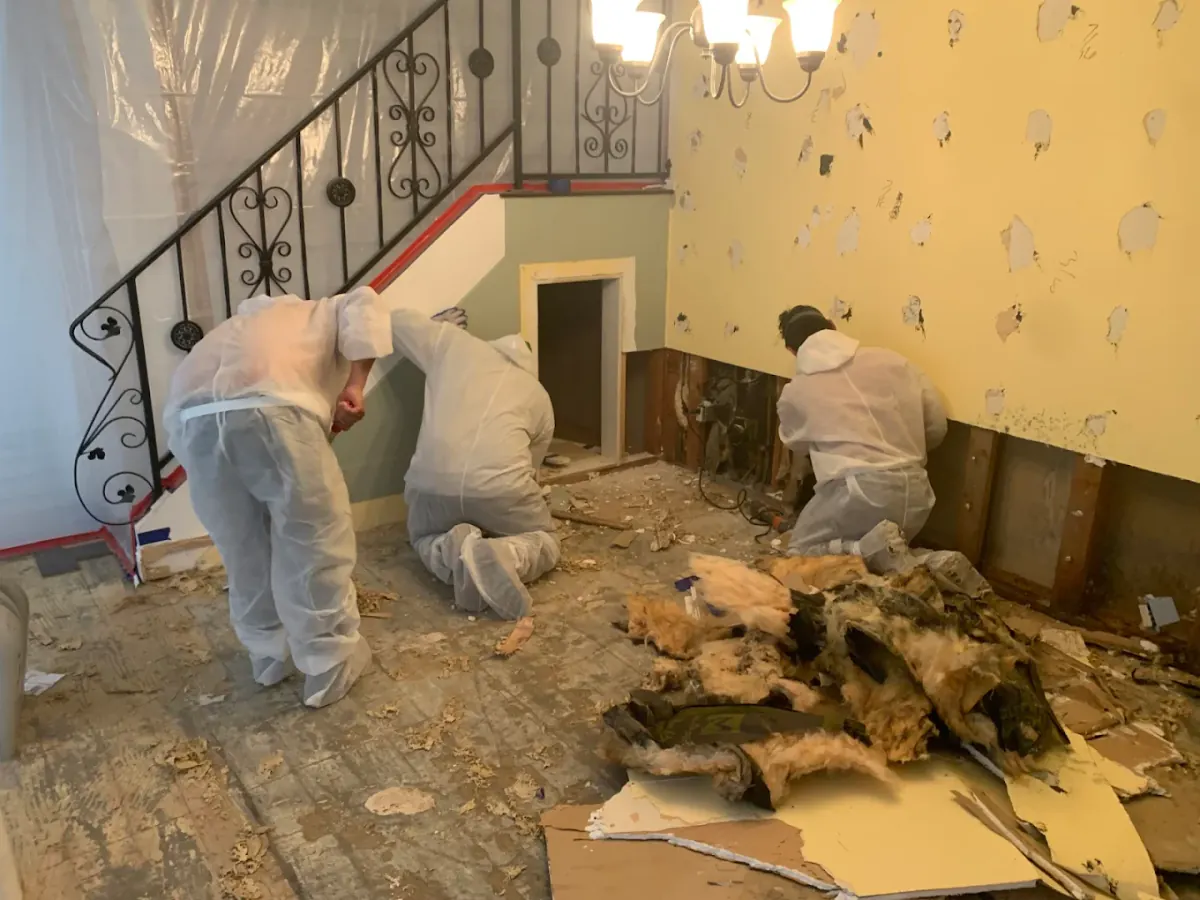
Porous materials below the flood line are removed per IICRC S500: carpet, pad, drywall (minimum 12″ above waterline), insulation, and affected subfloor materials.
Extraction & Decontamination
Standing water is extracted with truck-mount equipment. All remaining surfaces receive antimicrobial treatment to eliminate bacteria, viruses, and parasites.
Controlled Drying & Treatment
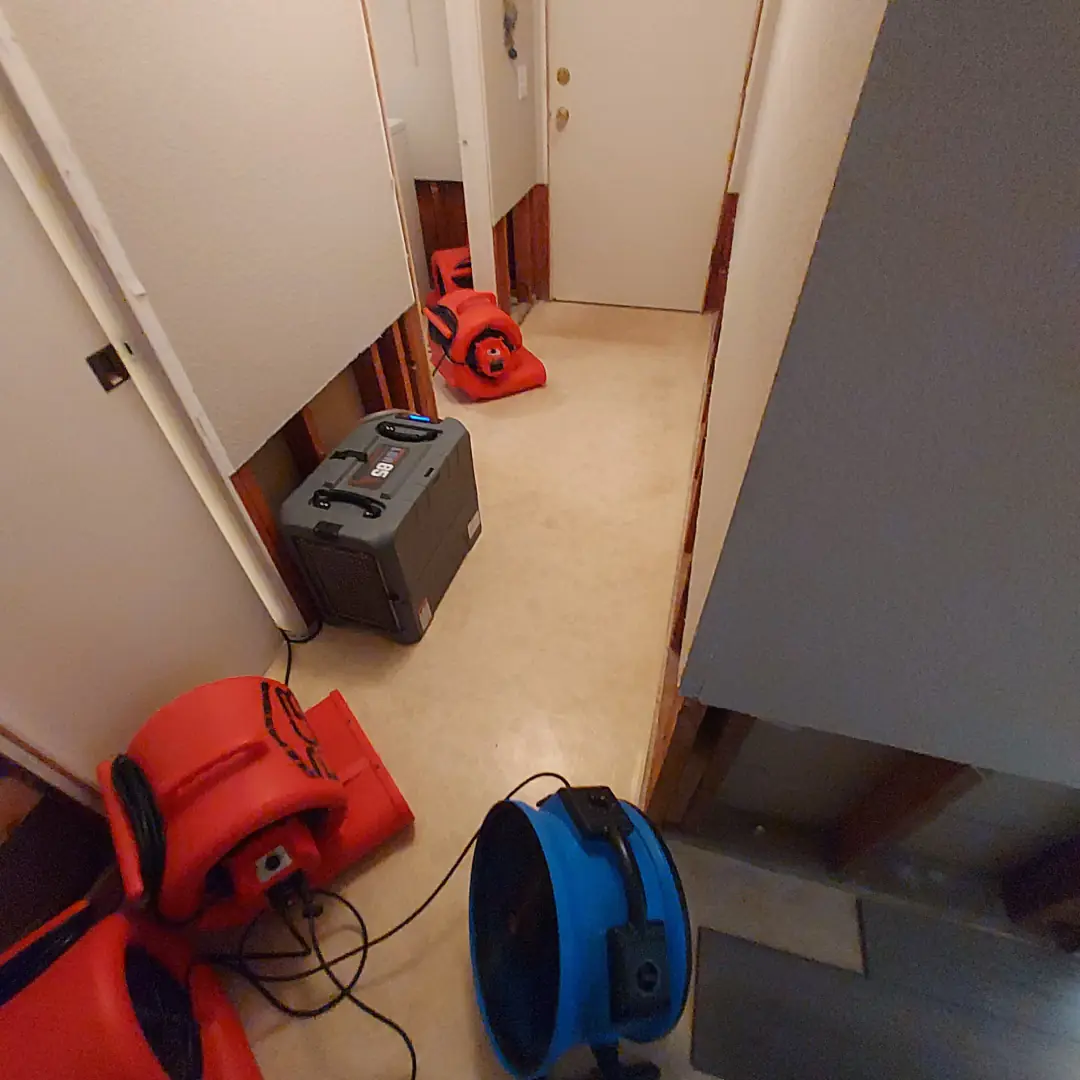
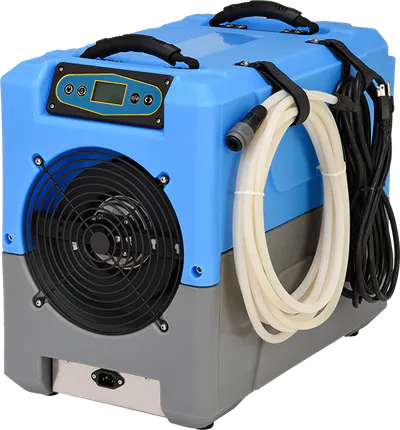
Industrial air movers and dehumidifiers bring moisture levels to standard. Additional antimicrobial applications ensure thorough decontamination of structural materials.
Post-Remediation Verification
Moisture readings confirm drying is complete. We document all work performed for insurance purposes and provide a detailed scope of loss report.
Category 3 Events — Material Removal Required
Mold Risk Timeline After Sewage Exposure
Pathogen Types in Raw Sewage
Insurance Claims with Sewer Backup Endorsement
Sewage backups involve Category 3 water — the most contaminated classification under IICRC standards. Unlike clean water events, every porous material in contact with sewage typically requires removal rather than drying in place.
Rapid Clean Restoration follows IICRC S500 Category 3 protocols on every sewage event — ensuring proper decontamination, not just drying.
Sources: IICRC ANSI/IICRC S500 Standard for Professional Water Damage Restoration; EPA Flood Cleanup Guidance; CDC Cleaning and Sanitizing After a Disaster.
Category 3 Events — Material Removal Required
Mold Risk Timeline After Sewage Exposure
Pathogen Types in Raw Sewage
Insurance Claims with Sewer Backup Endorsement
Sources: IICRC ANSI/IICRC S500 Standard for Professional Water Damage Restoration; EPA Flood Cleanup Guidance; CDC Cleaning and Sanitizing After a Disaster.
Sewage backups involve Category 3 water — the most contaminated classification under IICRC standards. Unlike clean water events, every porous material in contact with sewage typically requires removal rather than drying in place.
Rapid Clean Restoration follows IICRC S500 Category 3 protocols on every sewage event — ensuring proper decontamination, not just drying.
Related Services
Sewage damage often overlaps with other restoration needs. Explore our related services.
Water Damage Restoration
Emergency water extraction, structural drying, and full restoration for all categories of water damage.
Mold Remediation
Contaminated water creates ideal conditions for mold. Professional remediation prevents secondary damage.
Odor Removal
Persistent sewage odors after cleanup indicate unaddressed contamination. Source-correction deodorization.