
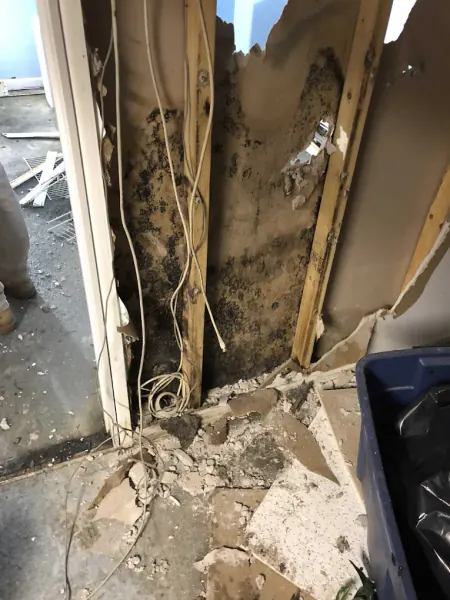
Mold Remediation in Southern California
Containment • Removal • Air Quality
Professional containment, removal, and air-quality focused cleanup—built around moisture control. The #1 rule of mold is simple: if the water source isn't corrected, mold returns.
Emergency dispatch available
Mold Remediation
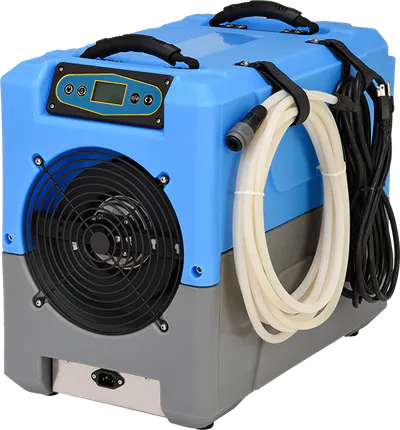
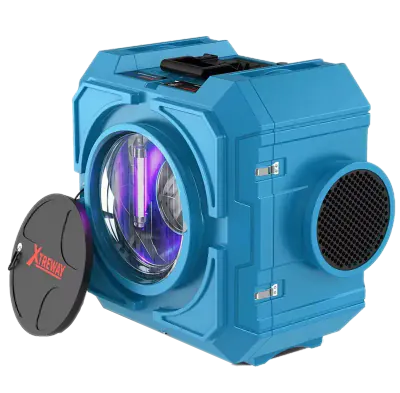
- Containment, HEPA filtration & negative air
- Controlled removal of unsalvageable materials
- Moisture source correction & humidity stabilization
- Claim-ready documentation from day one
CERTIFIED & Trusted





What mold remediation actually is
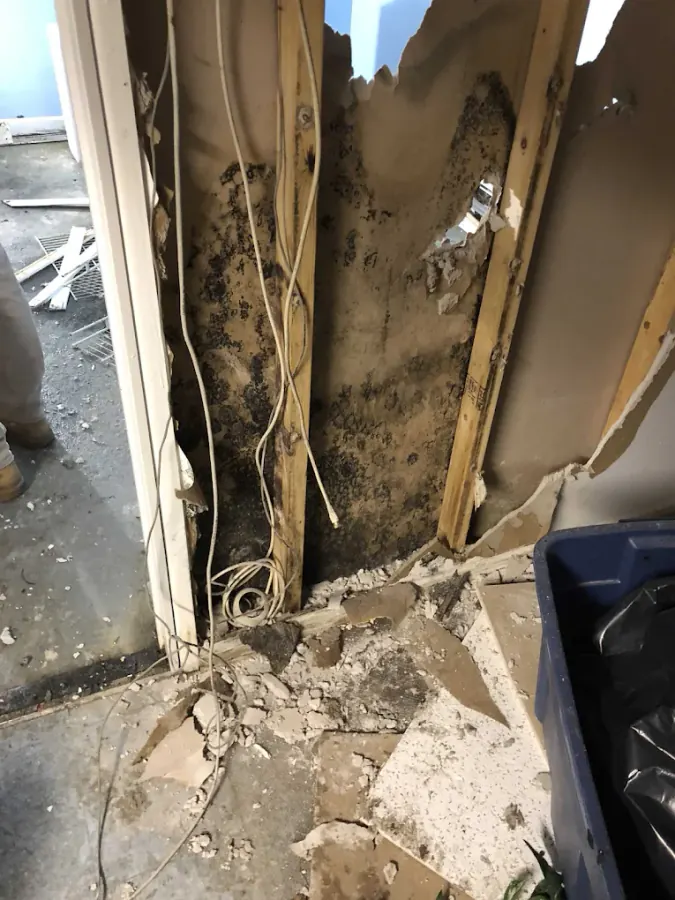
Mold remediation is the process of containing, removing, and cleaning mold-impacted materials while correcting the moisture conditions that allowed growth in the first place. Mold can grow when moisture persists—roof leaks, plumbing leaks, condensation, flooding and water damage, slow toilet/supply line leaks, or wet building materials that didn't dry thoroughly.
When remediation is done correctly, the goal is to:
- Stop the moisture source
- Prevent cross-contamination to clean areas
- Remove unsalvageable porous materials
- Clean remaining surfaces appropriately
- Return the space to a dry, stable condition that's less likely to support regrowth
Key point: Porous materials (drywall, insulation, carpet/pad) often can't be “cleaned back to safe” once moldy—they typically need removal and replacement. For larger or contaminated losses (like sewage), EPA recommends using professionals experienced with contaminated water cleanup and building repair.
Common signs you may need professional remediation
You don't need to see “black mold” for there to be a real indoor air issue. Agencies note that dampness, musty odors, visible growth, and water damage are meaningful indicators to take seriously.
Common triggers we see on real jobs:
- Musty odor that returns after cleaning
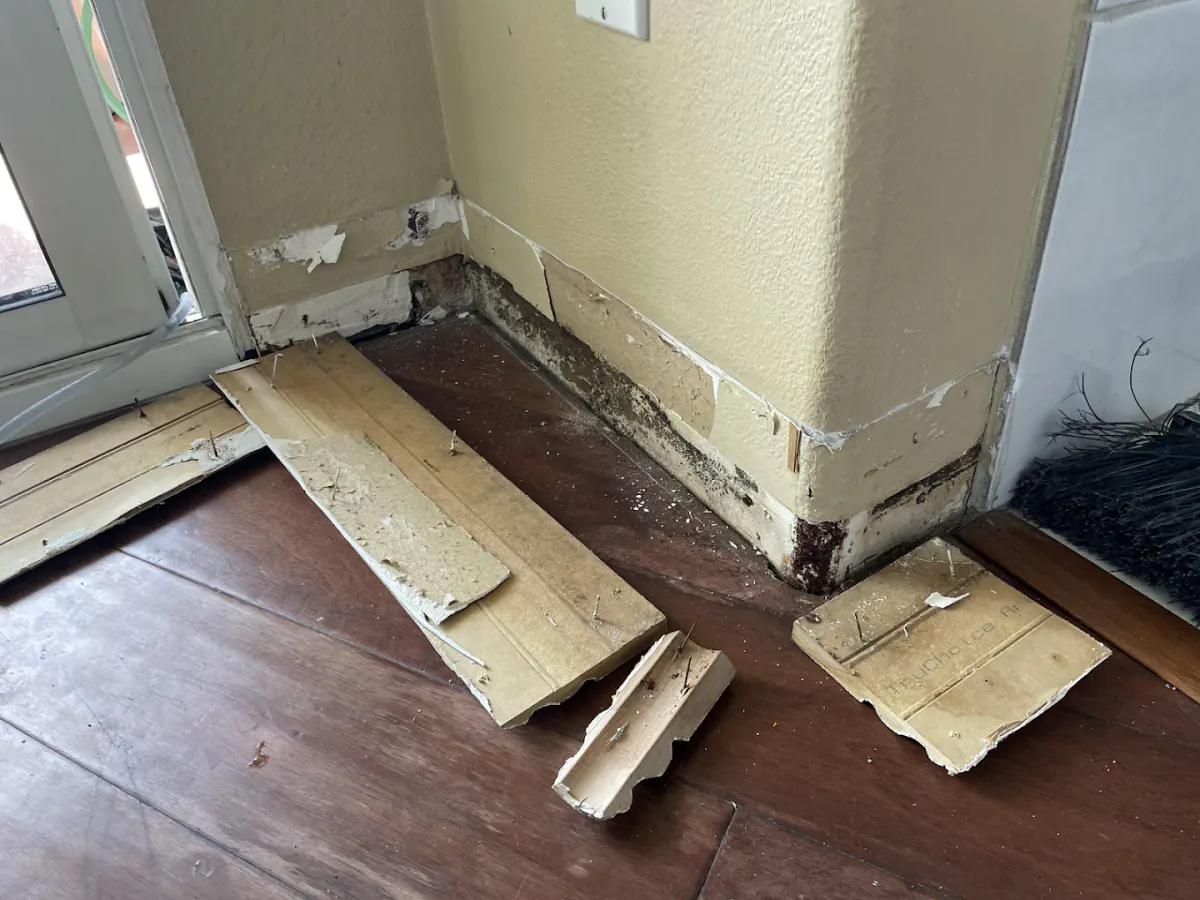
- Bubbling paint, staining, warped baseboards, soft drywall
- Repeated respiratory irritation that improves when away from the home
- Visible growth around bathrooms, laundry, under sinks, or behind furniture on exterior walls
- Prior water damage that “dried out” without removing wet materials
Why “quick dry” matters—and why fans alone can backfire
If materials stay wet long enough, mold risk goes up. CDC's homeowner guidance notes that if a home wasn't dried (including contents) within 24–48 hours after flooding, you should assume mold growth and focus on drying, cleanup, and fixing the moisture problem.
Simply blasting air without containment can spread particulates from the affected area into clean areas. The safer approach is controlling airflow, using proper filtration, and removing materials that can't be restored.
Our Mold Remediation Process
Assessment and moisture source identification
We start by identifying where moisture is coming from (active leak vs. past event vs. condensation pattern), which materials are impacted, and whether hidden cavities may be involved. NIOSH emphasizes that thorough visual assessment and evidence of dampness can be more reliable than air sampling alone.
Containment and negative air
For contained remediation projects, we typically use physical containment barriers, HEPA filtration/air scrubbers, and controlled negative pressure to help prevent cross-contamination and reduce airborne spread during removal and cleaning.
Controlled demolition of unsalvageable materials
EPA’s basic cleanup guidance notes that porous materials like ceiling tiles and carpet may need to be discarded if moldy because mold can grow into the pores/voids. We remove impacted porous materials using controlled methods and proper bagging/handling.
Cleaning and detailing of remaining surfaces
EPA’s basic steps emphasize scrubbing mold from hard surfaces with detergent and water and drying completely, along with correcting leaks/water problems promptly. CDC also provides practical cleanup guidance.
Drying and moisture stabilization
We monitor drying and aim for stable indoor humidity and dry materials—because moisture is what allows regrowth. CDC recommends keeping indoor humidity no higher than 50% and fixing roof/wall/plumbing leaks to prevent mold.
Post-remediation verification
Depending on the job, you may choose internal documentation (photos, moisture confirmation, scope closeout) or independent third-party clearance testing—common for higher-sensitivity situations, real estate, or property management documentation.
“Black mold” and mold types: what matters most
People often ask about “black mold” or specific species. Public health guidance generally focuses on conditions that allow mold to grow (moisture) and proper correction/cleanup rather than treating one indoor mold as “safe” and another as “dangerous.”
That's why our remediation approach is built around:
- Stopping moisture
- Removing impacted materials correctly
- Preventing spread during work
- Stabilizing the environment so it stays dry
Health concerns and indoor air quality
Living or working in damp, moldy conditions can affect people differently. If someone has asthma, allergies, respiratory conditions, or immune concerns, it's especially important to take a careful, controlled approach and consider involving medical professionals for personal health guidance.
For owners and property managers, the practical takeaway is simple: dampness + mold indicators = correct the moisture and remediate properly. For health guidance, major agencies focus less on the “mold type” and more on fixing dampness and removing mold-contaminated materials properly.
Homeowners, Renters, and Property Management
The right next step depends on who controls the repairs
Homeowners
If you own the property, we can usually start with a remediation-focused assessment to determine the affected materials, the likely moisture pathway, and the appropriate containment and removal plan.
Property Management
Proactive remediation and documentation reduces repeat complaints and creates a clear record of what was found, what was corrected, and what was repaired.
Renters / Tenants
We always recommend attempting to resolve the issue with the landlord/property manager first. If those efforts stall, lab-certified indoor air quality testing (with an outdoor baseline) is often the most practical way to document whether indoor conditions appear abnormal.
When you should call a professional right away
EPA recommends calling professionals with experience cleaning and fixing buildings damaged by contaminated water (like sewage). Also consider professional help when:
- Mold is widespread
- Growth is in HVAC systems or multiple rooms
- Occupants have elevated health concerns
- You suspect hidden cavities (walls/ceilings/flooring systems)
Service areas
We serve Temecula, Murrieta, Menifee, Wildomar, Winchester, Canyon Lake, and nearby areas including French Valley, Meadowview, De Luz, Rainbow, Fallbrook.
View all service areasWhy musty smells may mean hidden moistureFrequently Asked Questions
Can you just “spray something” and be done?
Sprays don’t replace moisture correction and proper removal. If porous materials are contaminated, they often need to be removed.
Do you always need mold testing?
Not always. NIOSH notes that thorough visual inspection and identifying dampness problems can be more reliable than air sampling alone for building evaluation. Testing can be useful for documentation, hidden concerns, and certain decision points—but remediation still centers on moisture control and correct material handling.
How do you prevent it from coming back?
Fix the moisture source, dry thoroughly, and keep humidity controlled. CDC suggests keeping indoor humidity at or below 50% where feasible.
Dealing with mold or moisture problems?
Whether it's visible growth, a persistent musty odor, or water damage that never dried properly—the sooner it's addressed with the right approach, the better the outcome for the building and everyone in it.
Call 24/7: 877-55-FLOODAuthority links
- EPA — Mold cleanup in your home
- EPA — Basic mold cleanup steps
- CDC — Mold cleanup guidance
- CDC — Mold prevention (humidity, leaks)
- NIOSH — Mold testing & remediation (why visual/dampness assessment matters)
- CA Dept. of Public Health — "Mold or Moisture in My Home: What Do I Do?" (PDF)
- WHO — Indoor air quality: dampness and mould