
We Work Directly With Your Insurance Company
Direct Billing • Claim-Ready Documentation
Water damage moves fast—and the insurance process can feel like a second emergency. Rapid Clean Restoration coordinates directly with your carrier so you don't have to manage constant calls, paperwork, and scope questions while your home is disrupted.
Direct billing available • In most cases, homeowners are typically only responsible for their deductible
Insurance Coordination & Direct Billing
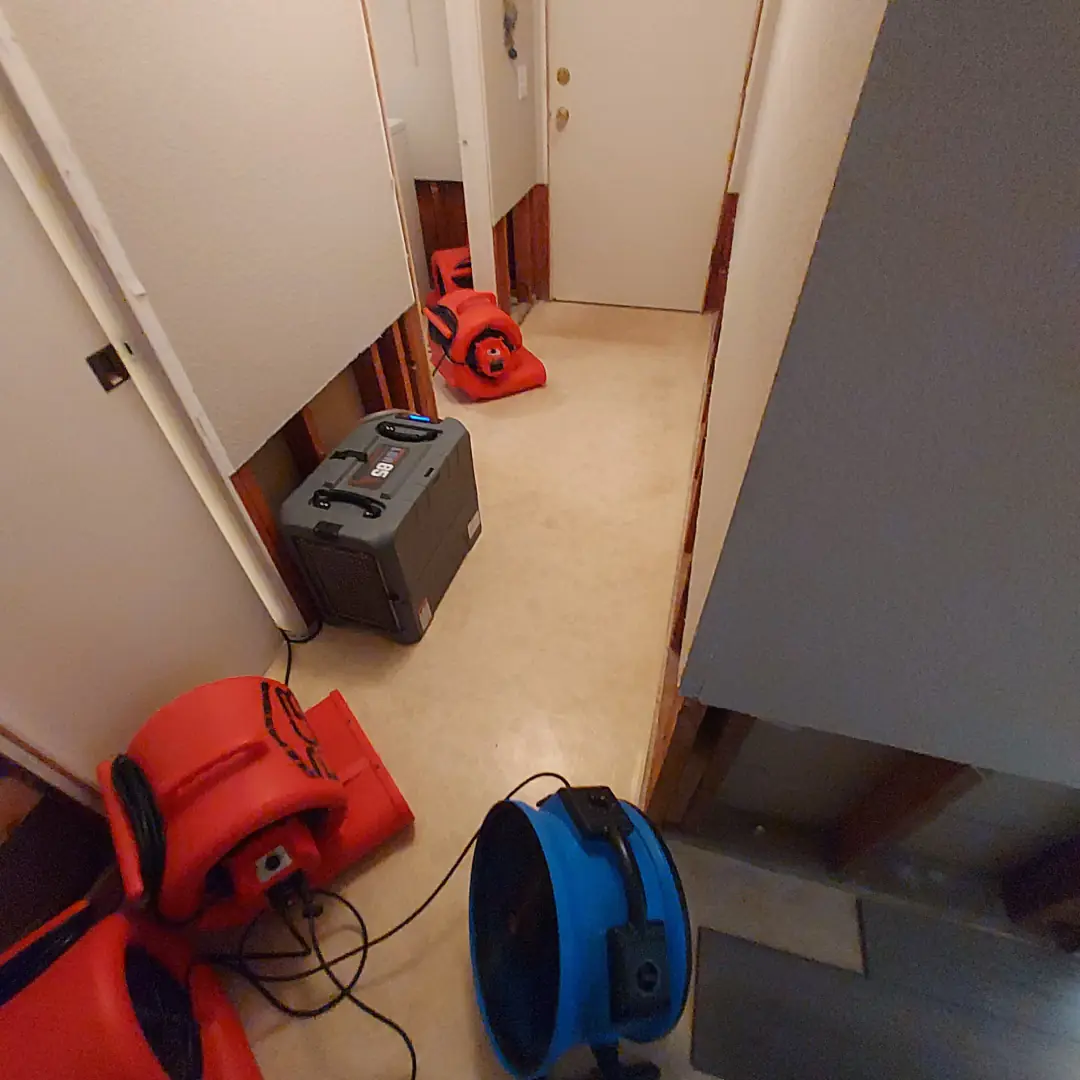
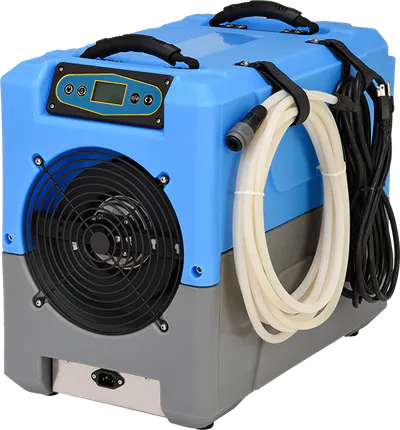
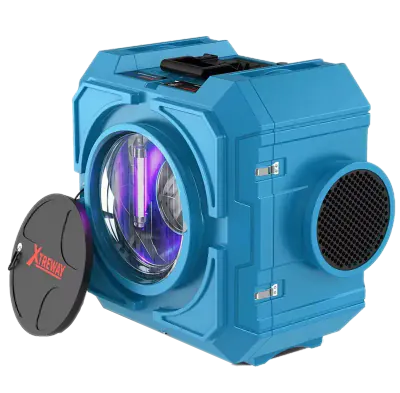
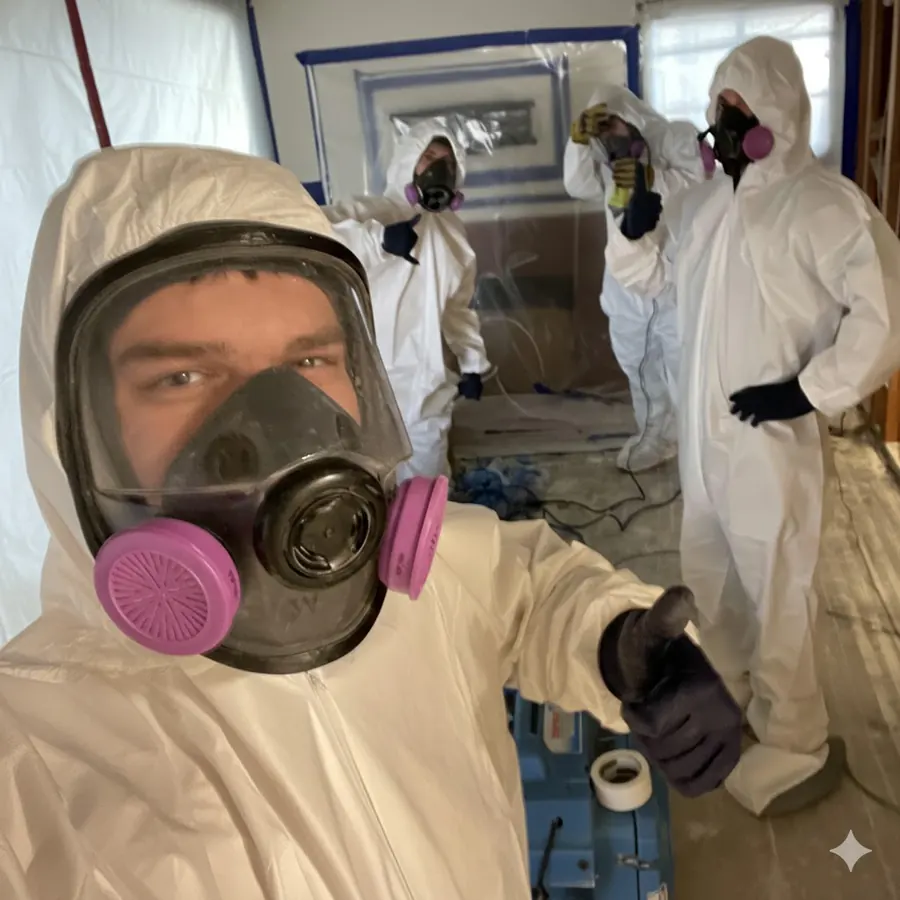
We start emergency work right away when it's safe, then build a claim-ready file from day one: photos, moisture mapping, equipment placement, daily drying logs, and final drying verification. That documentation helps your adjuster review the loss clearly and keeps the project moving.
- Direct communication and coordination with your adjuster
- Clear scope-of-work documentation + line-item estimating
- Claim-ready documentation from day one
- Daily monitoring logs and final dry standard verification
CERTIFIED & Trusted





We coordinate with all major carriers
Insurance Partners We Work With













What we document for your insurance file
Insurance claims go smoother when the file is clear: what happened, when it happened, what was wet, what equipment was used, and what the drying results showed. Here's what we build for every project:
Photo documentation
Before, during, and after photos of all affected areas and work performed
Moisture mapping
Detailed readings showing where moisture is hidden in walls, floors, and cavities
Equipment placement records
What equipment was used, where it was placed, and how long it ran
Daily drying logs
Moisture readings, RH, temperature, and equipment status tracked every day
Scope-of-work documentation
Line-item estimating your adjuster can review and approve
Final dry standard verification
Proof that all materials reached verified dry standards before project close-out
How the Insurance Process Works
With Rapid Clean
We handle the documentation and carrier coordination so you can focus on your family and your home.
Emergency work begins + documentation starts
We begin safe mitigation immediately and start building the claim file from day one: photos, moisture readings, and initial scope.
We contact your insurance carrier
We coordinate directly with your adjuster—sharing scope-of-work documentation, moisture mapping, and equipment placement records.
Daily monitoring + drying logs
Every day we track moisture readings, relative humidity, temperature, and equipment status. These logs become part of your claim file.
Final verification + documentation package
Once materials reach verified dry standards, we compile the full documentation package: before/after photos, drying logs, and scope-of-work for adjuster review.
Direct billing + project close-out
Where applicable, we bill your carrier directly so you’re not stuck managing paperwork. You’re typically responsible only for your deductible and any non-covered items.
Less paperwork for you, clearer files for your adjuster
Direct billing means we work with your carrier on payment so you're not stuck juggling invoices, reimbursement requests, and out-of-pocket advances while your home is disrupted.
We support that from day one with:
- Photo documentation + moisture mapping
- Equipment placement records
- Daily drying logs + readings
- Scope-of-work documentation your adjuster can review
Most homeowners are typically responsible for their deductible and any non-covered items.
California “Right to Choose” your contractor
You're not locked into a preferred vendor
California regulations prohibit an insurer from requiring that the insured have property repaired by a specific individual or entity, and they restrict when an insurer may recommend a specific repair vendor.
The California Department of Insurance provides a Residential Property Claims Guide covering what to do after a loss, questions to ask, and how the process generally works.
Insurance & Billing FAQ
Do I need to wait for the adjuster before starting work?
No—delaying extraction and drying can increase damage. Start safe mitigation, then document everything so the claim can be reviewed with a clear timeline.
How fast should water damage be dried?
The sooner the better. Public health guidance commonly stresses drying quickly—often within 24–48 hours if possible—to reduce mold growth risk.
Can my insurance company make me use their contractor?
California regulations prohibit insurers from requiring a specific repair individual/entity and restrict when recommendations are allowed.
Do you provide documentation for insurance?
Yes—photos, moisture mapping, equipment logs, daily drying logs, and verification documentation are part of how we run projects.
Do you bill insurance directly?
Direct billing is available in many cases; coverage varies by policy and carrier requirements.
What if my claim is denied or underpaid?
Our documentation package—photos, moisture mapping, equipment logs, and drying verification—gives you and your adjuster a clear, reviewable record. If there’s a dispute, that file supports your position.
Services We Handle With Your Carrier
We provide direct insurance coordination across all of our restoration services.
Water Damage Restoration
Emergency water extraction, structural drying, moisture mapping, and complete restoration with full insurance documentation.
Fire Damage Cleanup
Fire and smoke damage cleanup, odor removal, and structural repair—documented and coordinated with your carrier.
Mold Remediation
Professional mold removal with containment, HEPA filtration, and clearance testing—with documentation for your claim.
Get emergency help now
If you're dealing with a leak, flood, or sewage backup, the fastest way to reduce damage is to stop the source and begin controlled drying. We'll handle the insurance paperwork.