

Warm months in Murrieta often mean windows closed and A/C running. That combination can trap humidity and slow drying, which is why a “musty smell” can show up even when everything looks fine. The key is simple: odor is often a moisture problem — and moisture tends to hide in the places you don't normally see.
If your home smells musty, sour, or “damp,” you don't necessarily need to panic — but you should verify what's going on. When moisture sits in building materials, it can lead to swelling, delamination, and microbial growth. Public guidance from CDC and EPA consistently emphasizes acting quickly: dry wet materials within ~24–48 hours when possible to reduce mold risk.
If the smell started after a leak, overflow, wet carpet, or a damp cabinet:
Call Now — 877-55-FLOODWhy “Summer Smells” Are Often a Water-Damage Signal
A/C makes indoor air comfortable, but it can also:
- Reduce fresh-air exchange (odor lingers longer)
- Create condensation on cold surfaces/ducts (adds moisture)
- Mask humidity problems until the odor becomes noticeable
Musty odor is frequently caused by damp porous materials — carpet/pad, baseboards, drywall paper, cabinet toe-kicks, underlayment, or subflooring. Once odor gets into those materials, “air fresheners” don't solve the source.
The Most Common Hidden Moisture Locations We Find
If you're noticing odor in one area (or whenever the A/C runs), check:
Under Sinks & Inside Cabinets
Look for toe-kick swelling, warped cabinet bottoms, damp particleboard, or discoloration. Even small leaks can wick into wood and stay damp.
Flooring Edges & Baseboards
Musty odor near baseboards often means moisture migrated under flooring or into wall plates. Press gently for softness, bubbling paint, or separation.
Bathrooms (Toilet Base & Tubs/Showers)
A slow toilet wax-ring leak or minor overflow can wet subflooring and linger for weeks.
Laundry Areas
Washer hoses, drain lines, and overflow pans can produce repeated "micro leaks."
HVAC / Condensation Pathways
If odor is strongest when the A/C turns on, moisture could be collecting around condensate drains or on cold surfaces (not always "duct mold," but moisture-related).
Quick “Do This Now” Checklist
If it's safe to do so:
- Find and stop the moisture source (shut-off valve, A/C drain line, appliance line).
- Ventilate strategically (brief fresh air exchange, then close up to run dehumidification).
- Remove wet soft items immediately (towels, bath mats, wet laundry, rugs).
- Don't "fan-blast" contaminated water (if it's sewage/Category 3, keep people/pets out and call).
- Document what you see with photos/video if there's any chance you'll file a claim.
The 24–48 Hour Window Matters
When materials stay wet, odor and microbial risk rises. Both CDC and EPA emphasize drying quickly — often within 24–48 hours when possible — to reduce mold growth.
That doesn't mean “everything is ruined after 48 hours.” It means: the longer moisture stays trapped, the more likely you'll need more invasive drying, cleaning, or removal to truly fix it.
When a Musty Smell Usually Means You Should Call a Professional
Call if any of these are true:
- The smell persists more than 24–48 hours after cleaning/drying attempts
- You see swelling, warping, staining, bubbling paint, or soft drywall/baseboards
- The odor is stronger in one room or returns when the A/C runs
- You suspect moisture is behind cabinets or under flooring
- There was a known leak/overflow, even if it “didn’t seem that bad”
What Rapid Clean Restoration Does Differently
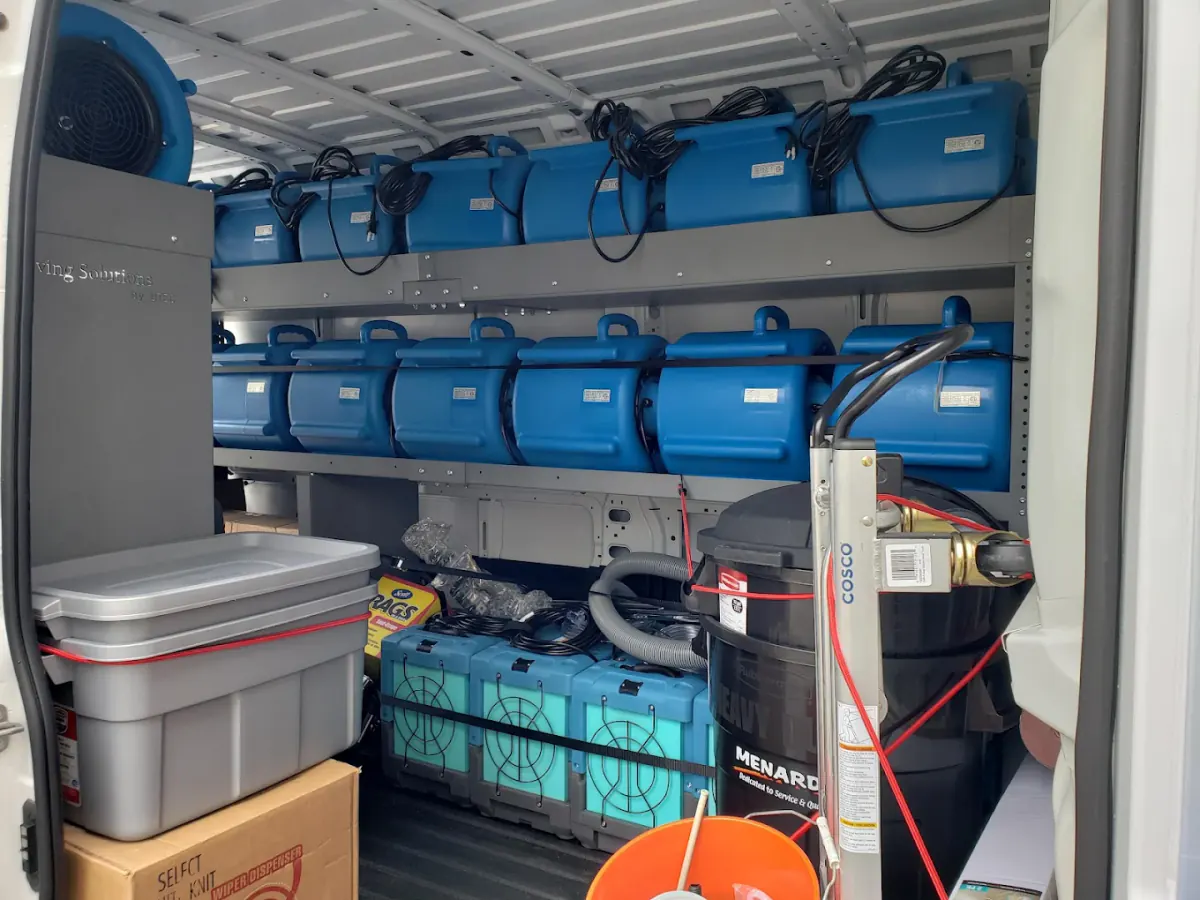
Odor removal works when moisture is handled correctly. Our approach follows professional restoration best practices like IICRC S500 guidance: extraction + moisture mapping + controlled drying + verification — not just running fans. Our water damage restoration process covers the full scope from extraction through verified drying.
On a typical “musty odor / suspected water damage” call, we:
Insurance Note: Choose an Independent Company
If this odor traces back to a leak or water loss, it may involve an insurance claim. Here's the key: your home deserves a proper scope, not a rushed “lowest cost” approach.
California regulations restrict insurers from requiring you to use a specific repair company and set rules around repair options and recommendations. (Ref: 10 CCR 2695.9)
Practical suggestion: Use an independent restoration company — one whose priority is drying correctly, documenting accurately, and restoring your property properly. Independent contractors work for your result, not a preferred-vendor bottom line.
We work directly with insurance, provide claim-ready documentation, and help keep the process simple.
Smelling Musty Odors? Let's Find the Source.
24/7 emergency response · Insurance coordination · Murrieta & surrounding areas
877-55-FLOODFrequently Asked Questions
Is a musty smell always mold?
Not always. Musty odor usually means moisture is present somewhere. Mold is one possible outcome, but the fix starts with identifying and correcting moisture.
Should I just buy a dehumidifier?
Dehumidifiers can help control humidity, but they don’t replace professional drying when moisture is trapped in building materials.
How quickly should a water issue be dried?
Guidance commonly recommends drying fully and quickly — often within 24–48 hours when possible — to reduce mold risk.
Do I need to wait for the adjuster?
Consumer guidance from the California Department of Insurance emphasizes taking reasonable steps to prevent further damage after a loss. Drying shouldn’t wait when it’s safe to begin.
References & Authority Sources
Think You Have Hidden Water Damage?
Our team can map moisture, set up professional drying, and handle your insurance documentation.
Get Emergency HelpDiscussion
10 comments on “Musty Smells in Murrieta? It's Often Hidden Moisture or Water Damage”
This is exactly what happened to us. We had a musty smell in our hallway for weeks and assumed it was just the summer heat. Turned out there was a slow leak under the kitchen sink that had wicked into the baseboard and subfloor. By the time we found it, the cabinet toe-kick was completely warped. Wish we'd checked sooner.
The under-sink check is so important. We had a similar issue — tiny drip from the garbage disposal connection that we didn't notice for months. The particleboard under the sink was basically dissolving. Now I check under every sink in the house monthly.
The part about the AC making odor worse is spot on. We moved to Menifee last year and kept smelling something musty whenever the AC kicked on. Had a restoration company come out and they found moisture collecting around the condensate drain line — not mold, just trapped moisture that was creating the odor. Professional drying fixed it in two days.
Good to know it's not always mold. That FAQ answer was helpful — moisture doesn't automatically mean mold, but you still need to deal with it. We had our HVAC checked after reading this and they found the condensate pan wasn't draining properly.
Really appreciated the checklist. We had a toilet wax ring leak that we caught early because of this article. The bathroom floor felt slightly soft near the base and there was a faint smell. Shut off the water, documented everything with photos like you recommended, and called a plumber. Saved us from a much bigger problem.
Question — we had a washing machine overflow about two weeks ago. Cleaned it up ourselves and ran fans for a couple of days. The floor looks fine but there's still a faint musty smell in that room. Does that mean moisture is trapped under the flooring? Should we be worried about the 24-48 hour window at this point?
We had almost the same situation in Lake Elsinore. Thought we dried everything but the smell lingered. A restoration company came out with moisture meters and found the pad under the carpet was still wet even though the surface felt dry. They had to pull the carpet back, dry the pad and subfloor, then reinstall. Definitely call someone — fans alone don't always cut it.
The insurance note is really helpful. Our neighbor was told by their insurance company to use a specific vendor after a pipe burst, and the work was rushed and incomplete. Good to know California law says you can choose your own restoration company. We're bookmarking Rapid Clean's number just in case.
Coming back to this article months later. We ended up having a slab leak that was causing a musty smell in the master bedroom. The baseboards were bubbling just like you described. Rapid Clean came out, mapped the moisture through the whole area, and set up drying equipment. They also handled all the documentation for our insurance claim. Really professional experience.
Found this article while searching for why our house smells damp after the winter rains. Checked the five locations listed and found discoloration behind the bathroom vanity. Calling to get a moisture inspection done. Thank you for the clear information and the CDC/EPA references — it's helpful knowing the 24-48 hour guidance comes from actual public health sources.